

Horse Riding
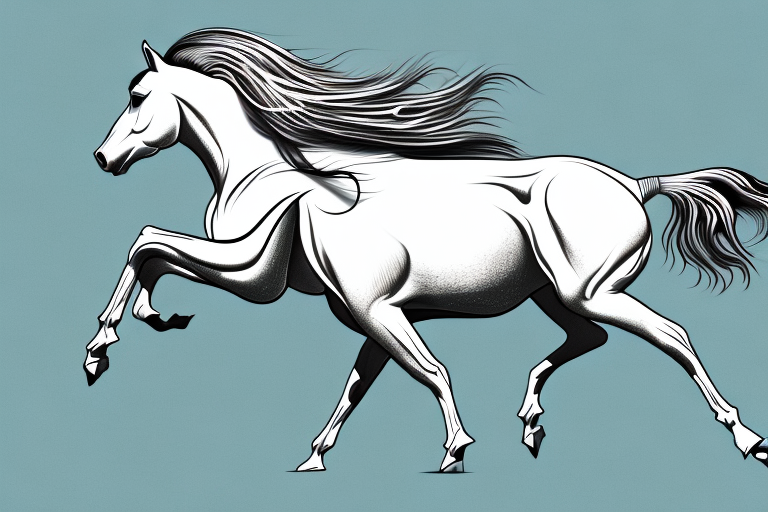
Horse riding is a popular activity that has been enjoyed throughout history. The practice of riding horses started during ancient times as a mode of transportation and later evolved into a competitive sport. Today, horse riding is a favorite pastime for many individuals, with benefits that extend beyond just physical activity. This article will explore the history of horse riding, its benefits, and the different types of horse riding.
The History of Horse Riding
Horse riding has a rich history that dates back to ancient times when horses were first domesticated. The horse was a vital tool for transportation, and it was used for military purposes, farming, and traveling long distances. The evolution of horse riding saw the emergence of equestrian sports in the 18th century. Today, horse riding is a popular activity enjoyed by people of all ages, and it serves many purposes beyond transportation.
Ancient Horse Riding Practices
The earliest evidence of horse riding comes from the Sumerians in 2000 BC. They used horses to pull chariots in battles and transport people and goods over long distances. The Greeks and Romans also used horses as a mode of transportation, but it wasn’t until the Middle Ages that horse riding became popular as a recreational activity. Knights rode horses for sport and participated in jousting tournaments, while the wealthy rode horses for leisurely activities such as fox hunting and polo.
During the Middle Ages, horses were also used as a means of transportation for mail delivery and inns. Horses were also used for farming, and they were essential for plowing fields and pulling heavy loads.
The Evolution of Equestrian Sports
The 18th century saw the formation of organizations that regulated horse racing and other equestrian sports. Horse racing became a popular spectator sport, and it is now enjoyed globally with major events such as the Kentucky Derby and the Grand National in the UK. Horse racing also became a popular sport among the wealthy, who bred horses for racing and betting.
In the 20th century, horse riding became a popular Olympic sport. Eventing, dressage, and show jumping are equestrian sports that are showcased at the Olympics and other international competitions. These sports require a high level of skill and are performed by skilled riders and trained horses.
Horse Riding in Modern Times
Today, horse riding is a popular activity enjoyed by people of all ages. Horses are used for many activities such as leisure riding, trail riding, ranch work, and therapy. Horse riding has also become popular among people with disabilities. Therapeutic riding provides many physical and emotional benefits and is a growing field of equine-assisted therapy.
Leisure riding is a popular activity among horse enthusiasts. It is a way to connect with nature and enjoy the outdoors. Trail riding is another popular activity that allows riders to explore nature and enjoy scenic trails. Ranch work involves using horses for herding cattle and other livestock. Horses are also used for search and rescue operations in remote areas.
Therapeutic riding is a form of equine-assisted therapy that provides physical, emotional, and cognitive benefits. It is used to help people with disabilities such as autism, cerebral palsy, and Down syndrome. Therapeutic riding can improve balance, coordination, and muscle strength. It can also improve social skills and self-esteem.
In conclusion, horse riding has a rich history that has evolved over time. From ancient times when horses were used for transportation to modern times when horses are used for leisure, therapy, and sport, the horse has played an important role in human history. Horse riding is a popular activity enjoyed by people of all ages and serves many purposes beyond transportation.
Benefits of Horse Riding
Horse riding is a popular activity that has been enjoyed for centuries. It is not only a fun way to spend time outdoors, but it also provides numerous physical, mental, and social benefits. In this article, we will explore some of the benefits of horse riding in more detail.
Physical Health Benefits
One of the most significant benefits of horse riding is the physical workout it provides. Riding a horse requires a lot of physical effort, which helps to strengthen and tone muscles throughout the body. The core muscles, in particular, get a great workout as they are used to maintain balance and stability while riding.
In addition to strengthening muscles, horse riding is also great for improving cardiovascular health. The physical activity involved in riding increases heart rate and blood flow, which can help to lower blood pressure and reduce the risk of heart disease.
Another physical benefit of horse riding is the improvement in balance and posture. As riders learn to control their bodies while riding, they also learn how to maintain proper posture and balance. This can translate into better posture and balance in everyday life.
Finally, horse riding can also help to increase bone density and muscle strength, which can help to prevent osteoporosis and other bone diseases.
Mental Health Benefits
In addition to the physical benefits, horse riding is also great for mental health. Riding a horse requires a lot of focus and concentration, which can help to improve cognitive function and mental clarity.
The rhythmic motion of riding can also induce a sense of calmness and relaxation. This can be especially helpful for people who suffer from anxiety or stress-related disorders.
Finally, horse riding can also help to build self-confidence and self-esteem. As riders learn to control their horses and improve their riding skills, they develop a sense of accomplishment and pride in their abilities.
Social Benefits
Finally, horse riding is a great social activity that can help to bring people together. Riding lessons provide an opportunity to meet new people and develop social skills. It also helps to build trust and creates a sense of camaraderie between riders and their horses.
Many horse riders also participate in competitions and events, which can be a great way to connect with other riders and share a common interest.
In conclusion, horse riding is a fantastic activity that provides numerous physical, mental, and social benefits. Whether you are a seasoned rider or just starting, there are many reasons to get involved in this exciting and rewarding sport.
Types of Horse Riding
Horse riding is a fantastic activity that offers a range of benefits for both physical and mental health. It’s a great way to get outside and enjoy the beautiful scenery while also getting exercise and improving your balance and coordination.
English Riding
English riding is the most popular discipline of horse riding. It encompasses a range of riding styles, including dressage, show jumping, and eventing. English riding is characterized by the use of a lightweight saddle and reins held in both hands.
Dressage is a technical and precise discipline that requires riders to have excellent control and body awareness. The goal is to make the horse as responsive as possible to the rider’s commands, with the horse performing a set of movements and sequences.
Show jumping is a high-speed equestrian sport where riders guide horses over a series of obstacles, including fences, gates, and walls. Show jumping requires a combination of speed, agility, and precision, with riders aiming to complete the course in the shortest time possible without knocking down any obstacles.
Eventing is a competition that involves performing three different equestrian disciplines: dressage, show jumping, and cross-country. This sport tests the horse and rider’s fitness and skill in all three areas, with the winner having the highest combined score.
Western Riding
Western riding is mainly used for ranch work and rodeo events. The saddle used in western riding is larger and heavier, providing greater comfort and stability for the rider. The reins are held in one hand, allowing the other hand to be free to perform tasks like rope handling.
Rodeo events, such as bull riding and barrel racing, require a high level of skill and bravery from both the rider and horse. The rider must stay on the bull for as long as possible, while barrel racing requires the horse and rider to navigate a series of barrels in the shortest time possible.
Endurance Riding
Endurance riding is a long-distance racing sport that tests the stamina and endurance of both horse and rider. Riders compete over distances up to 100 miles and must pass veterinary checks to ensure the fitness of their horse.
Endurance riding requires careful preparation and training, with riders needing to build up their horse’s fitness gradually over time. It’s a challenging discipline that requires a strong bond between horse and rider, with both working together to complete the course.
In conclusion, horse riding is a popular activity with a rich history and many benefits for physical and mental health. With the different types of horse riding available, riders have a choice to pursue different disciplines and enjoy the various challenges they bring. So, saddle up, and enjoy a ride on the wild side!
Most Popular Pet Articles


Popular Cat Articles


Popular Dog Articles


Recent Comments
Horse Riding Categories
Trakehner Horse Riding
Thoroughbred Horse Riding
Tennessee Walking Horse Riding
Shire Horse Riding
Shetland pony Horse Riding
Rocky Mountain Horse Riding
Percheron Horse Riding
Mustang Horse Riding
Morgan Horse Riding
Marwari Horse Riding
Kentucky Mountain Saddle Horse Riding
Kathiawari Horse Riding
Irish Sport Horse Riding
Irish Draught Horse Riding
Icelandic Horse Riding
Hanoverian Horse Riding
Haflinger Horse Riding
Hackney Horse Riding
Galineers Cob Horse Riding
Friesian horse Horse Riding
Fjord Horse Riding
Dutch Warmblood Horse Riding
Dartmoor Pony Horse Riding
Connemara Pony Horse Riding
Clydesdale Horse Riding
Cleveland Bay Horse Riding
Brumby Horse Riding
Black Forest Horse Riding
Belgian Warmblood Horse Riding
Azteca Horse Riding
Arabian Horse Riding
Appaloosa Horse Riding
Andalusian Horse Riding
American Quarter Horse Riding
American Cream Draft Horse Riding
American Belgian Draft Horse Riding
Choose Your Location
