


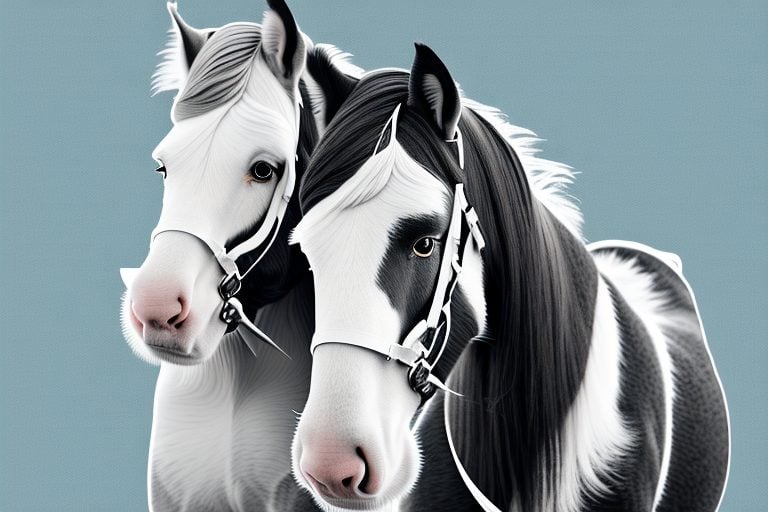
If you’ve been looking for a new and exciting activity to try, consider Clydesdale horse riding! This majestic breed of horse has been a favorite of farmers and horse enthusiasts for many years. In this article, we’ll explore everything you need to know about Clydesdale horse riding. From the history of the breed to the benefits of riding, we’ve got you covered!
History of the Clydesdale Horse Breed
Clydesdale horses were originally bred and developed in Scotland, specifically in the Clyde Valley during the 18th century. They were used primarily for farming and heavy hauling, due to their impressive size and strength. Throughout the years, they have become well-known for their gentle demeanor and kind nature, making them a popular choice not only on the farm but also as a riding horse.
In the early 1900s, Clydesdale horses were imported to the United States and quickly gained popularity. They were used for a variety of purposes, including pulling wagons and carriages in parades and delivering goods. Today, Clydesdales are still used for farming and hauling, but they are also commonly seen in shows and exhibitions, showcasing their beauty and grace. Despite their size, Clydesdales are known for their calm and friendly personalities, making them a beloved breed among horse enthusiasts.
Characteristics and Physical Attributes of Clydesdale Horses
Clydesdales are an impressively large breed of horse, standing between 16 and 18 hands tall and weighing between 1600 and 2400 pounds. They have a muscular build and their most notable characteristic is their feathered (long hair) hooves. Clydesdales come in a variety of colors, such as black, brown, and bay, and typically have a white blaze on their face and white stockings on their legs.
In addition to their physical attributes, Clydesdales are known for their gentle and calm temperament, making them a popular choice for carriage rides and parades. They are also highly intelligent and trainable, excelling in various disciplines such as dressage, jumping, and driving. Clydesdales have a long history of being used for agricultural work, particularly in Scotland where they originated from. Today, they are often used for recreational riding and as show horses, showcasing their impressive size and beauty.
Choosing the Right Clydesdale for Riding
When it comes to choosing a Clydesdale for riding, it’s important to consider factors such as age, temperament, and training level. If you’re new to horseback riding, it may be best to start with a Clydesdale that has been trained for riding. Older horses are generally more experienced and better suited for beginners. More experienced riders may want to consider taking on a younger, less experienced horse for a challenge. Always take the horse’s needs into consideration, and make sure to match them with your own experience level and riding goals.
Another important factor to consider when choosing a Clydesdale for riding is their physical condition. Clydesdales are large, powerful horses and require proper care and exercise to maintain their health and fitness. It’s important to choose a horse that is in good physical condition and has been regularly exercised. Additionally, make sure to provide your Clydesdale with a balanced diet and proper grooming to keep them healthy and happy.
Training Techniques for Clydesdale Horses
When it comes to training Clydesdales for riding, patience, consistency, and positive reinforcement are key. These horses are naturally gentle and willing to learn, but it can take time to establish trust and respect between horse and rider. Some effective training techniques include groundwork exercises, lunging, and consistent riding routines. It is important to work with a knowledgeable trainer or instructor to avoid potential issues and ensure that your horse is continuously improving in its training.
Riding Gear and Tack for Clydesdales
Proper riding gear and tack are essential for both rider and horse safety. When riding a Clydesdale, it’s important to ensure the saddle fits properly and is designed for the horse’s unique build. Similarly, the bridle and bit should also fit securely and comfortably on the horse’s head. Riders should wear helmets and proper riding boots with a heel for stability. It’s also important to dress appropriately for the weather and riding conditions.
Safety Tips for Riding Clydesdales
As with any horseback riding activity, safety is a top priority. Always make sure to ride with a partner and let others know where you will be riding and how long you plan to be out. Avoid riding in dangerous weather conditions, and always wear a helmet and proper riding gear for protection. Additionally, be mindful of your horse’s physical limitations and allow for plenty of breaks and hydration during long rides.
Common Challenges Faced While Riding Clydesdales
While Clydesdales are known for their docile nature, there can be some challenges that riders may encounter when working with these horses. One of the most common issues is that Clydesdales can be slow and unresponsive to commands, so it’s important to be patient and consistent in your training. Additionally, their large size can make mounting and dismounting challenging, especially for riders with physical limitations. Be sure to have help available if needed, and never attempt to ride beyond your abilities.
Benefits of Riding Clydesdales for Health and Well-being
Riding Clydesdales has a number of potential benefits for both physical and mental health. Horseback riding can help improve balance, build strength, and increase flexibility. It can also provide a sense of calm and relaxation, reducing stress and anxiety. Additionally, working with horses can foster a sense of responsibility, communication, and empathy, all of which can have positive effects on mental well-being.
Best Places to Go Horseback Riding with Clydesdales
There are many different places to go horseback riding with Clydesdales, from trail rides to riding lessons and everything in between. Check with local stables and horse farms to see if they offer Clydesdale rentals or riding lessons. Horse shows and fairs may also have opportunities to ride Clydesdales. And of course, the countryside and scenic trails are always a great option for those who have their own Clydesdale to ride.
Thank you for taking the time to learn about Clydesdale horse riding. Whether you’re an experienced rider or just starting out, riding these gentle giants can be a memorable and rewarding experience. Remember to always ride safely and responsibly, and enjoy all the joys that these magnificent horses have to offer!

