

Dog Medical Aid
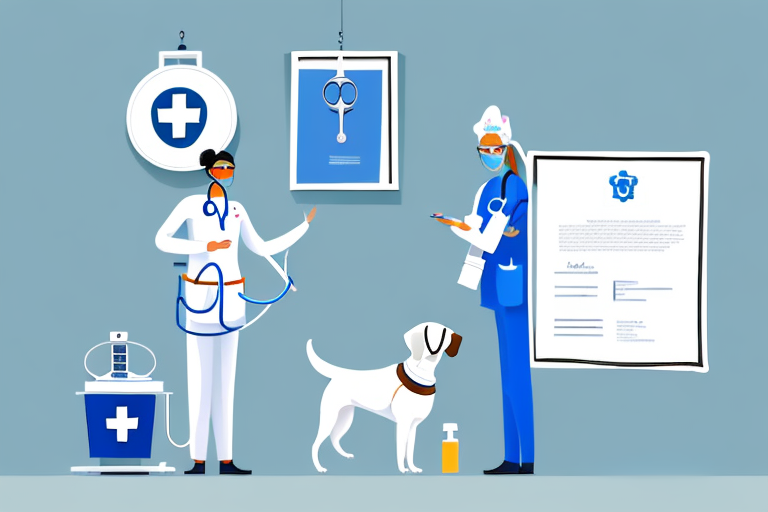
Dogs are often considered more than just pets – they are valued members of the family. Just like with humans, canine healthcare is essential to maintain their quality of life. However, veterinary care can be costly, and unexpected medical emergencies can quickly add up. This is where dog medical aid comes into play. In this article, we’ll discuss the various aspects of dog medical aid and why it’s important to consider it for your furry friend’s health and well-being.
Understanding Dog Medical Aid
Dog medical aid is a type of insurance designed to cover veterinary expenses. Just like with human health insurance plans, there are different types of dog medical aid plans available, each catering to specific needs and budgetary considerations. These plans provide peace of mind, knowing that you will be protected against unforeseen expenses that can arise from your dog’s healthcare needs.
Importance of Medical Aid for Dogs
As much as we may want to prevent them, medical issues can arise with dogs at any time. They may be involved in accidents, develop chronic conditions or fall prey to inherited medical issues. In such cases, veterinary care can be expensive, and it’s not always easy to be prepared for such costs. Therefore, choosing the right dog medical aid plan can help you stay covered during such times and ensure your dog receives the necessary care, without financial burden.
It’s important to note that some dog breeds may be more prone to certain medical conditions than others. For example, German Shepherds are prone to hip dysplasia, while Bulldogs may experience breathing difficulties due to their short snouts. Knowing your dog’s breed and potential health risks can help you make an informed decision when selecting a medical aid plan.
Types of Dog Medical Aid Plans
When selecting dog medical aid, it’s important to consider the type of medical expenses you are looking for coverage for. Some plans cover routine care, such as annual check-ups and vaccinations, while others may include emergency care or specialty treatments. Additionally, there are also plans available that focus on specific medical conditions, such as cancer or diabetes.
It’s important to carefully review the details of each plan to ensure that it meets your dog’s specific needs. For example, if your dog is older and more prone to health issues, a plan with comprehensive coverage may be the best option. On the other hand, if your dog is young and healthy, a plan with basic coverage may be sufficient.
Factors to Consider When Choosing a Plan
When selecting a medical aid plan for your dog, it’s important to consider various aspects, such as your budget, your dog’s age, breed, and whether any pre-existing conditions require coverage. You also have to consider what type of services are included and compare them to other plans when possible. This way, you can make an informed decision and choose the best plan for your dog and your finances.
Another important factor to consider is the reputation of the insurance provider. You want to choose a provider that has a good track record of providing quality coverage and excellent customer service. Reading reviews and asking for recommendations from other pet owners can help you narrow down your options.
Finally, it’s important to understand the terms and conditions of the plan before signing up. Make sure you understand what is covered and what is not, as well as any deductibles or co-payments that may apply. This will help you avoid any surprises down the line and ensure that you are fully prepared for any potential veterinary expenses.
Common Health Issues in Dogs
Just like humans, dogs are prone to various health issues. However, as their owners, we can help prevent such problems by focusing on routine preventative care and being vigilant to any changes in their behavior or physical health. The following sections will discuss common health issues in dogs and how to manage them.
Preventative Care for Dogs
Preventative care involves vaccinations, parasite control, regular check-ups, and diagnostic tests to catch any potential health issues before they become more serious. Maintaining a healthy diet, regular exercise, and grooming practices can also help prevent certain conditions from occurring. As responsible dog owners, these measures should be taken into consideration, and a medical aid plan that offers preventative care can help you keep your dog healthy and fully covered.
It is important to note that preventative care is not just about physical health, but also mental health. Dogs require mental stimulation, socialization, and attention from their owners to maintain their overall well-being.
Recognizing Symptoms and Seeking Treatment
In some cases, despite our best efforts, dogs may still develop health issues. It is important to recognize any changes in their behavior and seek prompt veterinary treatment. Identifying symptoms early can make a significant difference in the treatment and prognosis of a condition. Furthermore, ensuring your medical aid plan covers illnesses can prevent any added financial burden if treatment is needed.
Signs of illness in dogs can vary depending on the condition. Some common symptoms include vomiting, diarrhea, loss of appetite, lethargy, coughing, sneezing, and changes in behavior. It is important to keep track of any changes in your dog’s behavior or physical health and report them to your veterinarian.
Managing Chronic Conditions in Dogs
Some dogs may develop chronic conditions, such as diabetes or arthritis. These issues require ongoing management and treatment, which can become costly. Medical aid plans that offer coverage for chronic conditions can help offset the cost of ongoing care and make treatment more accessible for dogs in need.
Managing chronic conditions in dogs can also involve lifestyle changes, such as modifying their diet or exercise routine. It is important to work closely with your veterinarian to develop a comprehensive treatment plan that addresses your dog’s specific needs.
Overall, being proactive about your dog’s health and seeking prompt veterinary care can help prevent and manage common health issues. By providing your dog with preventative care, recognizing symptoms early, and managing chronic conditions, you can help ensure your furry friend lives a long and healthy life.
Veterinary Care and Dog Medical Aid
As a dog owner, choosing the right veterinary care for your furry friend is one of the most important decisions you can make. It is essential to ensure that they receive the best possible care throughout their lives. Fortunately, with the help of dog medical aid, owners can access a variety of options and professionals at differing price points to make the decision-making process more accessible.
Routine Veterinary Checkups
Regular check-ups are an essential part of maintaining your dog’s health. These checkups serve to ensure that your dog is in good health, and they can help identify any issues early on in their development. Early identification often makes treatment more successful, which is why it is crucial to keep up with routine checkups. With medical aid, owners can identify which veterinary clinics offer the best value, and keep pace with routine checkups at a more affordable rate.
During a routine checkup, your veterinarian will examine your dog’s overall health and well-being. They will check your dog’s weight, body temperature, and heart rate. They will also examine your dog’s eyes, ears, nose, and mouth for any signs of infection or disease. Additionally, your veterinarian will check your dog’s skin and coat for any abnormalities or parasites. Routine checkups are an excellent opportunity to discuss any concerns you may have about your dog’s health with your veterinarian.
Emergency Veterinary Care
Emergencies can happen at any time of day or night, and they can be stressful for both dogs and their owners. Accidents, sudden illnesses, and injuries can all require immediate attention from a veterinarian. With dog medical aid, emergency veterinary care is covered, and you can request and receive assistance quickly, without concern over the cost.
It is essential to know the signs of an emergency so that you can act quickly if necessary. Some signs that your dog may require emergency veterinary care include difficulty breathing, sudden collapse, severe bleeding, seizures, and loss of consciousness. If you notice any of these signs, contact your veterinarian immediately.
Specialist Veterinary Services
In some cases, your dog may require more specialized care, such as surgical procedures or cancer treatments. Specialist veterinary services are usually more costly than routine veterinary care. However, medical aid coverage helps to make these services more affordable for dog owners.
Specialist veterinary services can include surgery, oncology, cardiology, neurology, and more. These services often require specialized equipment and expertise, which can make them more expensive. However, with the help of dog medical aid, owners can access these services without worrying about the cost.
Overall, choosing the right veterinary care for your dog is essential to ensure that they receive the best possible care throughout their lives. With the help of dog medical aid, owners can access a variety of options and professionals at differing price points, making it easier to make informed decisions about your dog’s healthcare needs.
Financial Aspects of Dog Medical Aid
When considering dog medical aid, the financial implications are also important. Medical aid can offer coverage for veterinary expenses, but it’s essential to find a plan that fit your budget and needs. The following sections will discuss the various financial factors to consider when choosing a medical aid plan.
Cost of Dog Medical Aid Plans
Dog medical aid plan costs vary depending on the level of coverage, type of coverage, and other factors. Some plans are more expensive than others, but often it allows for lower deductibles and co-payments, and more comprehensive coverage. Choosing a plan that fits your budget and coverage needs is important to ensure that you and your dog are fully covered.
Comparing Dog Medical Aid Providers
It is essential to do research to compare available dog medical aid providers carefully. Look at their reputation, customer satisfaction, and the types of coverage available. More comprehensive plans can be more expensive, but they may be worth the higher fees in the long run. By comparing different providers, you can find the right coverage for your needs and budget.
Saving Money on Dog Medical Expenses
When using dog medical aid, it’s important to keep your expenses as low as possible. Taking care of your dog’s health with good nutrition, exercise, grooming and preventative care measures will help to minimize veterinary bills. Additionally, making use of discounts that certain providers may offer, and renewing a medial aid plan diligently can reduce expenses to only what’s necessary.
Conclusion
Beyond being a loyal companion, our dogs deserve the very best we can provide, especially when it comes to their overall health. Medical aid for dogs is one avenue that owners should consider when planning for their pet’s healthcare needs. No one ever wants to become overburdened with veterinary bills, particularly when their pets are in need of emergency or specialist attention, which is why finding the right dog medical aid plan is essential. With this guide to dog medical aid, it is now your turn to make the right decision for your dog’s health and peace of mind.
Most Popular Pet Articles


Popular Cat Articles


Popular Dog Articles


Recent Comments
Dog Medical Aid Categories
Pembroke Welsh Corgi Dog Medical Aid
Newfoundland Dog Medical Aid
Miniature Schnauzer Dog Medical Aid
Labrador Retriever Dog Medical Aid
Havanese Dog Medical Aid
Great Dane Dog Medical Aid
Golden Retriever Dog Medical Aid
German Shepherd Dog Medical Aid
German Pointer Dog Medical Aid
French Bulldog Dog Medical Aid
English Cocker Spaniel Dog Medical Aid
Yorkshire Terrier Dog Medical Aid
Staffordshire Bull Terrier Dog Medical Aid
Spaniels (English Springer) Dog Medical Aid
Spaniels (Cocker) Dog Medical Aid
Soft coated Wheaten Terrier Dog Medical Aid
Siberian Husky Dog Medical Aid
Shih Tzu Dog Medical Aid
Shetland Sheepdog Dog Medical Aid
Rottweiler Dog Medical Aid
Pug Dog Medical Aid
Poodle Dog Medical Aid
Pomeranian Dog Medical Aid
Doberman Pinscher Dog Medical Aid
Chihuahua Dog Medical Aid
Cavalier King Charles Spaniel Dog Medical Aid
Bulldog Dog Medical Aid
Bull Terrier Dog Medical Aid
Brittanys Dog Medical Aid
Boxer Dog Medical Aid
Boston Terrier Dog Medical Aid
Bernese Mountain Dog Medical Aid
Beagle Dog Medical Aid
Basset Hound Dog Medical Aid
Australian Shepherd Dog Medical Aid
Choose Your Location
