


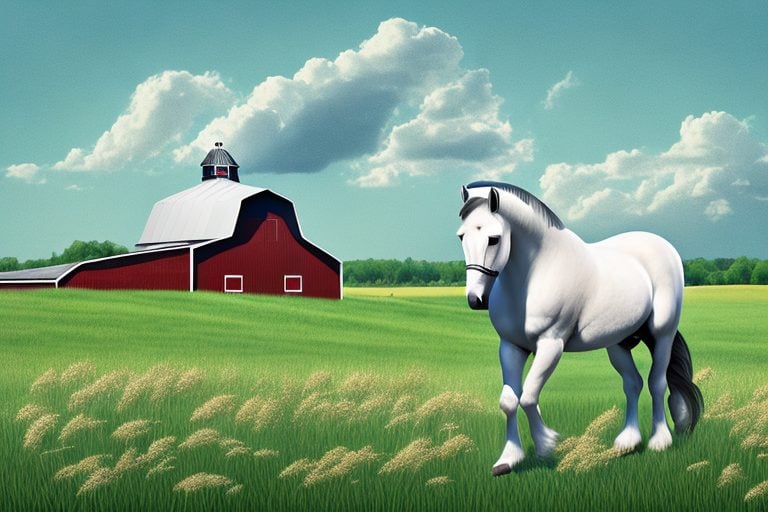
The Percheron horse breed is a French breed that has been around for centuries. A powerful draft horse, it was originally used in France as a war horse and later became a popular farm horse. Today, the Percheron horse is commonly used in parades, fairs, and other public events as well as for pulling heavy carts and plows. Breeding Percheron horses is a popular practice among breeders who seek to maintain the breed’s unique traits and characteristics, and it comes with a variety of challenges and opportunities.
The History of Percheron Horse Breeding
The Percheron horse breed originated in the Perche region of France, where it was used as a warhorse during the Middle Ages. In the 19th century, Percheron horses were exported to the United States, where they were used for draft work and farming. Today, Percheron horses are a popular breed among horse enthusiasts and breeders around the world.
Percheron horses are known for their strength, intelligence, and gentle temperament. They are often used in parades, weddings, and other special events due to their impressive size and striking appearance. In addition to their work as draft horses, Percherons are also used in competitive driving and riding events. Despite their popularity, the Percheron breed has faced challenges in recent years due to declining demand for draft horses in agriculture and industry. However, dedicated breeders continue to work to preserve and promote this magnificent breed.
Characteristics and Traits of the Percheron Horse
Percheron horses are known for their impressive size and muscular build. They typically stand between 16 and 18 hands high and can weigh up to 2,000 pounds. Their coat colors range from black to gray to white, and they have a thick, luxurious mane and tail. Percheron horses are known for their calm temperament, making them popular among novice owners. They are also highly intelligent and have a strong work ethic.
In addition to their physical and personality traits, Percheron horses are also known for their versatility. They excel in a variety of disciplines, including driving, riding, and draft work. Their strength and endurance make them ideal for pulling heavy loads, while their athleticism and grace make them suitable for riding and showing. Percheron horses are also highly trainable and eager to please, making them a favorite among trainers and riders alike.
Selecting the Right Stallion and Mare for Breeding
When breeding Percheron horses, it is essential to choose the right stallion and mare. Both horses should be physically sound and free from any genetic or hereditary health conditions. Potential breeders should also consider the horse’s temperament, personality, and work ethic. By selecting the right combination of stallion and mare, breeders can produce strong, healthy, and genetically sound foals.
In addition to physical and genetic considerations, breeders should also take into account the horses’ conformation and movement. A well-conformed stallion and mare with good movement can produce foals with excellent athletic ability and performance potential. It is also important to research the bloodlines of both horses to ensure that they complement each other and do not have any undesirable traits that could be passed on to their offspring. By carefully selecting the right stallion and mare, breeders can increase the chances of producing foals that excel in their intended discipline.
The Percheron Breeding Process: Natural and Artificial Insemination
There are two primary methods of breeding Percheron horses: natural insemination and artificial insemination. Natural insemination involves allowing the stallion to mate with the mare naturally, while artificial insemination involves collecting the stallion’s semen and depositing it into the mare’s reproductive tract. Both methods have their benefits and drawbacks, and the choice between the two should be based on a variety of factors, including cost, convenience, and success rates.
One advantage of natural insemination is that it allows for the natural selection of the strongest and healthiest stallions and mares. However, it also carries a higher risk of injury to both the stallion and mare during the mating process. Artificial insemination, on the other hand, eliminates the risk of injury and allows for the use of stallions that may not be able to mate naturally due to physical limitations or behavioral issues. However, it can be more expensive and requires specialized equipment and expertise.
Gestation Period and Foaling of Percheron Horses
The gestation period of a Percheron horse is typically around 11 months. Careful attention must be paid to the mare during this time to ensure that she is receiving the proper nutrition and veterinary care. Foaling can be a dangerous time for both the mare and the foal, so it is important to have a veterinarian present during the birth and to monitor the mare and foal closely in the days following birth.
Early Care and Training of Percheron Foals
Early care and training are critical for the health and development of Percheron foals. Proper nutrition, veterinary care, and socialization are essential to help the foal grow and develop into a healthy, well-adjusted adult. Additionally, early training can help the foal develop the necessary skills and temperament to be a successful working horse.
Common Health Issues in Percheron Horses and How to Prevent Them
Like all animals, Percheron horses are susceptible to a variety of health conditions. Some of the most common health issues in Percheron horses include lameness, colic, and respiratory problems. To prevent these health issues, it is essential to provide the horse with proper nutrition, exercise, and veterinary care. Additionally, breeders should carefully screen potential breeding horses to ensure that they are free from genetic or hereditary health issues.
The Role of Genetics in Percheron Horse Breeding
Genetics plays a critical role in Percheron horse breeding. Breeders must carefully consider the genetics of both the stallion and mare to ensure that the foal possesses the desired traits and characteristics. Inbreeding and over-breeding can lead to genetic health issues in the offspring, so it is essential to carefully manage the breeding program to ensure the health and well-being of the horses.
The Future of Percheron Horse Breeding: Challenges and Opportunities
Percheron horse breeding faces a number of challenges in the coming years. The rise of mechanization and automation has reduced the demand for draft horses, and breeders must adapt to changing market conditions to remain profitable. Additionally, Percheron horses face unique health challenges that require careful management and monitoring. Despite these challenges, there are also significant opportunities for Percheron breeders, particularly in the areas of equine therapy and recreational uses. By carefully managing their breeding programs and exploring new markets and opportunities, Percheron breeders can continue to thrive for years to come.

