


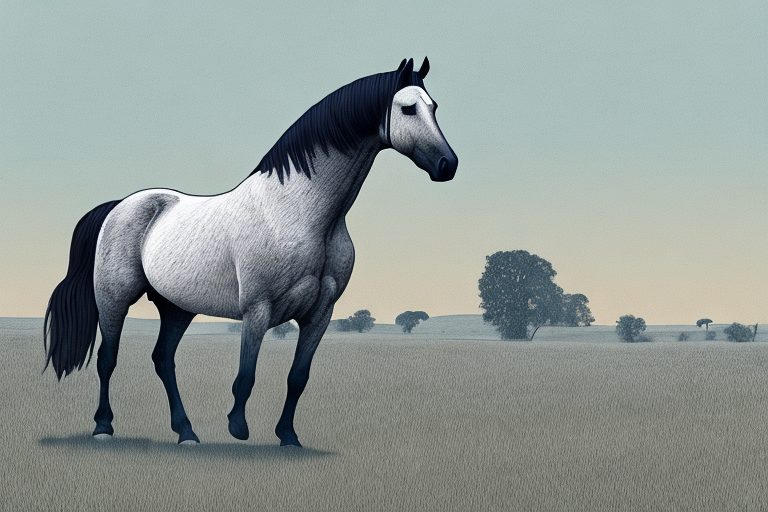
Percheron Horses have long been associated with strength, hard work, and an unmatched elegance that makes them stand out in the equine world. In Gauteng, South Africa, these powerful horses have made a significant impact with their impressive stature, speed, and endurance. This article delves into the process of breeding these majestic animals in Gauteng and the various factors that come into consideration when attempting to breed them successfully.
The History of Percheron Horses and Their Introduction to South Africa
Percheron horses are a French breed that originated in the Perche Valley of Normandy, France. Initially bred as war horses, they were eventually adapted for farm work and as a means of transportation for the French aristocracy. The Percheron breed was introduced to South Africa in the 19th century and has since become a popular breed for farmers and equestrians who appreciate their versatility and beauty.
Percheron horses are known for their strength, intelligence, and gentle temperament. They are often used for pulling heavy loads, such as plows and wagons, and are also popular in the show ring for their impressive size and graceful movement. In South Africa, Percherons have been used for a variety of purposes, including farming, forestry, and transportation. They are also used in parades and other public events, where their impressive size and beauty make them a crowd favorite.
Characteristics and Features of Percheron Horses
Percheron Horses are known for their large, muscular build, standing between 15 and 19 hands high and weighing between 1,400 and 2,600 pounds. They have a sleek, feathered coat, an intelligent face with kind eyes, and are energetic, gentle, and willing to please their handlers. They are also known to be more docile and easier to train than other draft breeds, making them a popular choice for both work and pleasure riding.
In addition to their physical characteristics, Percheron Horses are also known for their versatility. They are commonly used for agricultural work, such as plowing fields and pulling heavy loads, but they are also used in various other activities such as carriage driving, logging, and even as police horses. Their calm and gentle nature also makes them great therapy animals for individuals with disabilities or mental health issues. Percheron Horses are truly a remarkable breed with a wide range of abilities and uses.
The Breeding Process of Percheron Horses in Gauteng
The breeding process of Percheron Horses in Gauteng is a specialized process that requires attention to detail and a dedicated approach. The process of breeding these horses generally involves selecting a suitable mare and stallion that complement one another in terms of bloodline, temperament, and phenotype.
Once a suitable pair has been identified, the mare is examined to ensure that she is in good health and ready for breeding. The mare and stallion are then introduced under careful supervision by a veterinarian. After mating, the mare is carefully monitored by the breeder to ensure that she remains healthy, managing her weight, and providing a balanced diet to support the growth of the foal.
After a gestation period of approximately 11 months, the mare will give birth to a foal. The breeder will closely monitor the foal’s health and development, ensuring that it receives proper nutrition and veterinary care. As the foal grows, it will be gradually weaned from its mother and introduced to solid food. The breeder will continue to monitor the foal’s growth and development, assessing its conformation and temperament to determine its potential as a future breeding or show horse.
The Role of Genetics in Percheron Horse Breeding
The genetics of Percheron horses play a critical role in breeding programs. Selecting the right bloodlines is crucial to achieving the desired physical and behavioral traits in the offspring. Inbreeding is avoided to lessen the risk of health issues and genetic defects that may be present in a particular bloodline.
The Importance of Proper Nutrition and Exercise for Percheron Horses
For a healthy foal, it is vital to ensure that the mare is well fed with a balanced diet and given regular exercise. After birth, the foal is closely monitored and provided with proper nutrients needed for growth and development. Proper nutrition and exercise play a pivotal role in ensuring that the foal grows up healthy and strong.
Tips for Selecting the Right Percheron Stallion and Mare for Breeding
When selecting a Percheron Stallion for breeding, it is vital to consider factors such as the horse’s physical attributes, temperament, and pedigree. When selecting a mare, the same factors are taken into consideration, and compatibility with the chosen stallion is also a vital factor to be considered. The breeding process is much more successful when both horses complement each other in terms of physical attributes and personality traits.
Challenges Faced by Percheron Horse Breeders in Gauteng, South Africa
Like any other breeding program, challenges can arise during Percheron horse breeding in Gauteng. Weather, health issues, poor quality feed, and even unforeseen accidents can all cause problems for breeders. It is essential to have a consistent and dedicated approach to breeding to overcome these challenges and minimize their impact on the breeding process.
Successful Examples of Percheron Horse Breeding Programs in Gauteng
Several successful examples of Percheron horse breeding programs exist in Gauteng, South Africa. These programs are run by dedicated breeders with years of experience in breeding and training these majestic horses. Their commitment to producing strong and healthy horses with sound temperaments has led to the popularity of the breed not only in South Africa but around the world.
Future Prospects and Trends for Percheron Horse Breeding in Gauteng
The future prospects for Percheron horse breeding in Gauteng look promising. The breed’s versatility and beauty continue to attract equestrians and farmers alike, guaranteeing a steady demand for these majestic animals. With the advancement in technology and research, breeders are continually adapting their breeding programs, exploring new techniques, and expanding their knowledge to improve the health and vigor of their Percheron horses.
In conclusion, Percheron horse breeding in Gauteng is a specialized process that requires a consistent and dedicated approach. Successful breeding entails selecting the right pair of horses, monitoring the mare’s health, promoting proper nutrition and exercise, and avoiding genetic issues. Although challenges can arise during the breeding process, a consistent approach and diligent attention to detail can overcome these obstacles. With the future looking bright, Percheron horse breeding in Gauteng will continue to be a popular and rewarding pursuit for breeders who are dedicated to excellence in equine breeding.

