


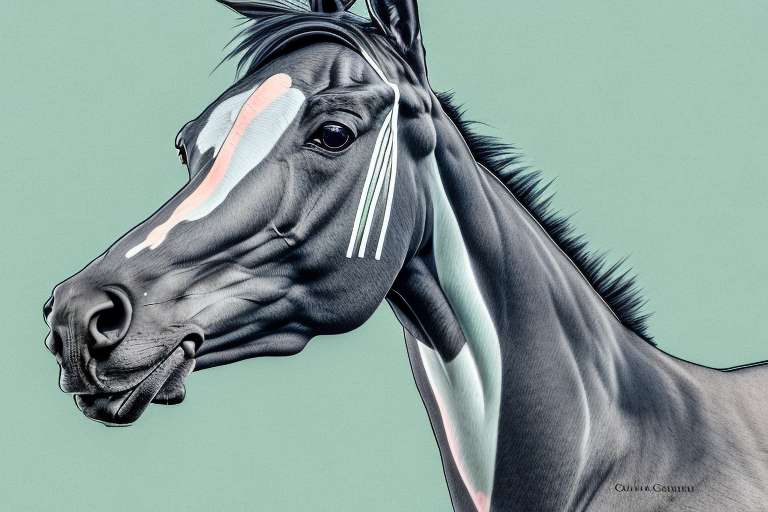
Thoroughbred horse breeding in Kwa Zulu Natal, South Africa, has a storied history dating back centuries. As one of the primary locations for horse breeding and racing in South Africa, the region has become synonymous with high-quality thoroughbreds and is home to some of the top breeding farms in the country. In this article, we will delve into the rich history and current practices of thoroughbred horse breeding in Kwa Zulu Natal.
The History of Thoroughbred Horse Breeding in Kwa Zulu Natal
Early Beginnings and Influential Breeders
Thoroughbred horse breeding in Kwa Zulu Natal can be traced back to the early 19th century when the first European settlers arrived in the region. These settlers brought with them a love of horse racing and breeding, and soon Thoroughbred horses were being imported from England and Ireland to the region.
The first recorded Thoroughbred race in South Africa was held in Pietermaritzburg in 1844, and from that point on, the breed began to take root in the region. One of the most influential early breeders in Kwa Zulu Natal was George Graham, who arrived in the region in the 1860s. Graham imported some of the best thoroughbred bloodlines from England and Ireland, including those of Hermit, who is considered one of the greatest sires of all time.
Other influential breeders in the region included Sir George Farrar, who imported horses from Australia and New Zealand, and Sir Abe Bailey, who imported horses from Argentina and the United States. These breeders helped to establish Kwa Zulu Natal as a hub for Thoroughbred breeding and racing in South Africa.
The Impact of Thoroughbred Racing in the Region
Thoroughbred racing quickly became a popular pastime in Kwa Zulu Natal, with numerous tracks and racing clubs being established throughout the region. The Durban July Handicap, first run in 1897, has become one of the most prestigious races in South Africa, attracting top horses and jockeys from around the country.
The popularity of racing has also driven the demand for high-quality thoroughbred breeding stock in the region. Today, Kwa Zulu Natal is home to some of the best Thoroughbred breeding farms in the world, with breeders using the latest techniques and practices to create the best possible offspring.
The Evolution of Breeding Techniques and Practices
As the demand for top-quality thoroughbreds in Kwa Zulu Natal increased, breeders began to experiment with new techniques and practices to improve the breed. One of the key developments was the use of artificial insemination, which allowed breeders to select the best stallions and mares from around the world without having to transport them to South Africa.
Today, breeding farms in Kwa Zulu Natal use a combination of natural breeding and artificial insemination techniques to create the best possible offspring. The breeding process is a delicate balance of selecting the right breeding stock, managing matings and gestation, and ensuring the foals are raised in the best possible conditions.
One of the most important factors in Thoroughbred breeding is the selection of the right breeding stock. Breeders look for horses with good conformation, soundness, and temperament, as well as those with a proven track record of success on the racecourse.
Once the breeding stock has been selected, breeders must manage the matings and gestation carefully to ensure the best possible outcome. This includes monitoring the mare’s reproductive cycle, selecting the right stallion for each mare, and ensuring that the mare is in optimal health throughout the pregnancy.
After the foals are born, breeders must continue to provide the best possible care to ensure that they grow up strong and healthy. This includes providing a balanced diet, regular exercise, and a safe and comfortable environment to live in.
Overall, Thoroughbred horse breeding in Kwa Zulu Natal has a rich and fascinating history, with many influential breeders and top-quality horses contributing to the success of the breed in the region. Today, Kwa Zulu Natal remains a hub for Thoroughbred breeding and racing, with breeders using the latest techniques and practices to create the best possible offspring.
The Thoroughbred Breeding Process
Selecting the Right Breeding Stock
The first step in producing a high-quality thoroughbred is selecting the right breeding stock. Breeders in Kwa Zulu Natal carefully consider the bloodlines, conformation, and racing records of stallions and mares before making their selections. Many breeders also look for horses with strong personalities and work ethics, as these traits often translate into success on the racetrack.
It is important to note that the breeding process is not just about producing fast horses, but also about producing horses that are sound and healthy. Breeders take into account any genetic predispositions to certain health issues, and strive to avoid breeding horses that may be predisposed to these issues. This ensures that the horses produced are not only fast, but also have a good chance of staying healthy throughout their racing careers.
Another important factor that breeders consider when selecting breeding stock is the horse’s temperament. Horses that are too high-strung or nervous may not perform well on the racetrack, so breeders look for horses that are calm and focused under pressure.
Mating and Gestation
Once the breeding stock has been selected, breeders carefully manage the mating and gestation process to ensure the best possible chance of success. Mares are often artificially inseminated to ensure they are matched with the best possible stallion, and veterinary care is provided throughout the pregnancy to ensure the mare and foal are healthy.
During the gestation period, breeders carefully monitor the mare’s health and nutrition, making sure she receives all the necessary vitamins and minerals to support the growth and development of the foal. They also monitor the foal’s growth and development through regular ultrasounds and other diagnostic tests.
Foaling and Raising Young Thoroughbreds
When the foal is born, breeders carefully monitor its progress and provide specialized care and nutrition to ensure it develops properly. The first few hours of a foal’s life are crucial, as they need to get up and nurse within a few hours of being born to receive the necessary colostrum from their mother’s milk.
Young thoroughbreds are often raised in small groups on pasture, where they can learn social skills and develop strong bones and muscles. They are also provided with specialized diets to support their growth and development. As they get older, they are gradually introduced to training and conditioning programs to prepare them for their future racing careers.
It is important to note that not all young thoroughbreds will go on to have successful racing careers. Some may not have the necessary speed or stamina, while others may be prone to injuries. However, with careful breeding and management, breeders can increase the chances of producing fast, sound, and healthy horses that have the potential to become champions.
Prominent Thoroughbred Farms in Kwa Zulu Natal
Summerhill Stud
Summerhill Stud is one of the most prominent thoroughbred farms in Kwa Zulu Natal, with a reputation for producing top-quality racehorses. The farm is located in the heart of the Kwa Zulu Natal Midlands and covers over 2000 acres of prime grazing land. Summerhill Stud is known for its commitment to sustainable and ethical breeding practices, as well as its dedication to preserving the bloodlines of some of the region’s most influential sires and mares.
Bush Hill Stud
Bush Hill Stud is another leading thoroughbred farm in Kwa Zulu Natal, with a history dating back over 60 years. The farm is located in Mooi River and covers 250 acres of land. Bush Hill Stud is known for producing some of the most successful racehorses in South Africa, including J&B Met winner Martial Eagle and Durban July winner Power King.
Clifton Stud
Clifton Stud is a relatively new player in the Kwa Zulu Natal thoroughbred breeding scene, having been established in 2010. The farm is located in Nottingham Road and covers 1100 acres of prime breeding land. Clifton Stud is known for its commitment to producing top-quality racehorses through a combination of careful breeding, specialized nutrition, and expert training and conditioning programs.
The Role of Thoroughbred Sales and Auctions
National Yearling Sales
The National Yearling Sale is one of the most important events in the South African thoroughbred industry. This annual sale takes place in Johannesburg and attracts buyers from around the world. The National Yearling Sale is a showcase for some of the best young horses in the country, and many leading racehorse owners and trainers attend the sale to make their selections.
Kwa Zulu Natal Yearling Sales
Kwa Zulu Natal also has its own yearling sales, which take place in Pietermaritzburg. These sales offer a chance for breeders in the region to showcase their best young horses to potential buyers. Many of the horses sold at these sales go on to have successful racing careers in South Africa and beyond.
Ready-to-Run Sales
The South African Ready-to-Run Sale is a unique event in the world of thoroughbred sales. This sale offers buyers the chance to purchase young horses that have already been trained and are ready to race. The horses are put through a rigorous testing process before the sale to ensure they are fit and healthy, and many top racehorses have been purchased through this sale over the years.
Conclusion
Thoroughbred horse breeding in Kwa Zulu Natal has a long and rich history, and the region continues to be one of the primary locations for breeding and racing in South Africa. With its commitment to high-quality breeding practices, careful selection of breeding stock, and dedication to producing top-quality racehorses, Kwa Zulu Natal is sure to remain a force in the world of thoroughbred horse breeding for many years to come.

