


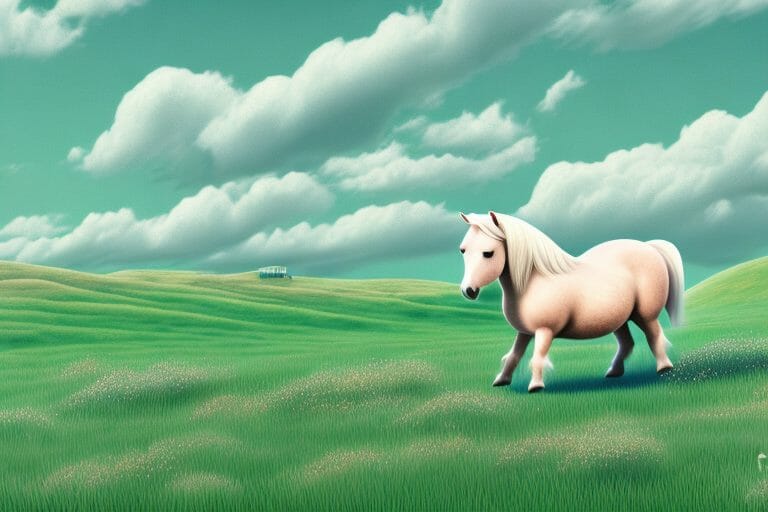
If you are interested in the world of horses, then you have likely come across Shetland ponies. These adorably small equines are known for their unique features, and are beloved by many people around the world. In this article, we will explore the world of Shetland ponies, with a particular focus on breeding and raising these amazing animals. As a Shetland pony horse breeder, I have had the privilege of working with these beautiful creatures for many years. With that in mind, let’s dive into the history, characteristics, and future of Shetland pony breeding.
The History and Origin of Shetland Ponies
To understand the importance of Shetland pony breeding, we must first explore the history of this breed. Shetland ponies originally hail from the Shetland Islands, a group of islands located in the North Sea off the coast of Scotland. These islands are known for their harsh weather and difficult terrain, which made it necessary for the local people to breed small but sturdy horses to help with work and transportation. This is how the Shetland pony came into existence.
Over time, the Shetland pony became popular in other parts of the world, particularly among equestrian communities. Today, Shetland ponies are kept as pets, used in equestrian sports, and shown in competitions around the world.
Characteristics and Traits of Shetland Ponies
One of the most distinctive features of Shetland ponies is their small size. They typically stand between 7 and 11 hands high (28-44 inches), making them one of the smallest pony breeds in the world. Despite their small stature, Shetland ponies are strong and resilient, with thick manes and tails, long coats, and sturdy legs.
In terms of temperament, Shetland ponies are generally known for being friendly and gentle. They are also intelligent and easily trainable, which has made them a popular choice for equestrian sports such as show jumping and dressage. Breeders work hard to produce Shetland ponies with good temperaments, as well as strong conformation and athletic ability.
The Role of Horse Breeders in Preserving Shetland Ponies
As with any domesticated animal, the breeding and raising of Shetland ponies requires careful attention to detail. Good breeders are essential for preserving the unique characteristics of this breed, as well as for ensuring the health and welfare of the animals. Shetland pony horse breeders must have a deep understanding of equine genetics, as well as an eye for conformation and athleticism.
It is also important for breeders to be involved in the wider community of Shetland pony enthusiasts. This includes attending shows and competitions, sharing knowledge and information with other breeders, and working together to promote the breed. By sharing information and working together, breeders can help to ensure the long-term health and vitality of the Shetland pony breed.
Choosing a Reputable Shetland Pony Breeder
If you are interested in purchasing a Shetland pony, it is important to choose a breeder who is reputable and knowledgeable. Look for breeders who have a good reputation in the equestrian community, and who are actively involved in promoting and showing their horses. It is also a good idea to visit the breeder’s facilities and meet the horses in person, in order to evaluate their health, temperament, and conformation.
Breeding and Raising Healthy Shetland Pony Foals
Breeding and raising Shetland pony foals requires a significant amount of time, effort, and expertise. Breeders must carefully select compatible sires and dams, and monitor the pregnancy and birth process closely in order to ensure the health of the mare and foal. Once the foal is born, it must be raised in a way that promotes its health and well-being, including proper nutrition, socialization, and exercise.
Breeders must also be aware of common health issues that affect Shetland ponies, such as hoof problems and dental issues. Regular veterinary care is essential for keeping ponies healthy and happy, and breeders should have a close relationship with their veterinarian in order to ensure the best possible care for their animals.
Caring for Shetland Ponies: Diet, Exercise, and Grooming Tips
Once you have a Shetland pony, it is important to care for it properly in order to keep it healthy and happy. This includes providing a balanced diet of hay, grains, and supplements, as well as ensuring regular exercise and grooming. Shetland ponies are hardy animals, but they still require proper care and attention in order to thrive.
Training Shetland Ponies: Challenges and Techniques
Training a Shetland pony can be a rewarding and enjoyable experience, but it can also be challenging. These intelligent animals require careful and patient training, as well as positive reinforcement techniques in order to build trust and confidence. Whether you are training a pony for equestrian competition or simply as a pet, it is important to approach the process with patience, consistency, and a deep understanding of the breed.
The Role of Shetland Ponies in Equestrian Sports
Shetland ponies have a long history of participating in equestrian sports, particularly in the United Kingdom where they are beloved for their agility and grace. These animals are used in a wide variety of sports, including show jumping, dressage, and driving. Shetland ponies are also popular for children’s riding lessons and pony parties, due to their small size and gentle temperament.
The Future of Shetland Pony Breeding and Conservation Efforts
The future of Shetland pony breeding is bright, thanks in large part to the efforts of dedicated breeders and enthusiasts around the world. These animals are beloved for their unique characteristics and gentle temperament, and are sure to remain popular for many years to come.
At the same time, it is important to recognize the importance of conservation efforts in preserving this breed for future generations. With proper care and attention, Shetland ponies will continue to be a beloved part of the equestrian world for many years to come.
Conclusion
As a Shetland pony horse breeder, I have seen firsthand the joy and wonder that these animals can bring into people’s lives. Whether you are interested in breeding, showing, or simply admiring Shetland ponies, there is a place for you in the world of equestrianism. By working together to promote and protect this unique breed, we can ensure that Shetland ponies remain a beloved part of the equestrian world for generations to come.

