


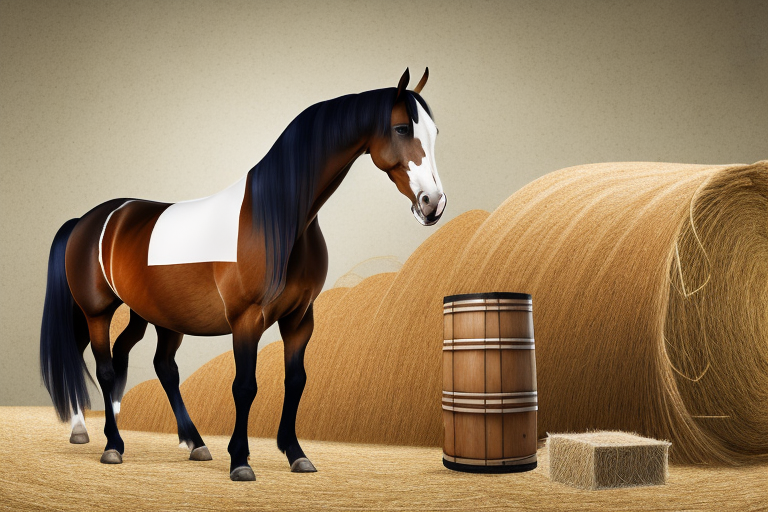
Morgan horses are a beloved American breed known for their strength, versatility, and beauty. They are a popular choice for trail riding, driving, and other equestrian disciplines. In this article, we will explore the history of Morgan horse breeding, the characteristics of the breed, the breeding process, genetic considerations, and responsible breeding practices.
History of Morgan Horse Breeding
Origin of the Morgan Horse
The Morgan horse breed began in the late 1700s in New England. A man named Justin Morgan acquired a small, bay stallion that became known as Figure. Figure quickly gained a reputation for his strength, agility, and versatility, and he was frequently bred to local mares. The foals he sired were also strong and versatile, and they soon became known as “Morgan horses.”
The Morgan horse breed quickly gained popularity due to their strength and versatility. They were used as workhorses on farms, as carriage horses in cities, and as cavalry horses in the military. Their compact size, endurance, and agility made them ideal for a variety of tasks.
Early Breeders and Influential Horses
After Justin Morgan’s death, Figure was sold and became a valuable stud horse, producing many offspring. Other breeders continued to develop the Morgan horse breed, using both purebred Morgans and crossbreeding with other breeds. One influential stallion was Black Hawk, who was known for his speed and athleticism. He sired many fast, athletic Morgans that were successful in racing and other equestrian endeavors.
Another influential Morgan horse was Ethan Allen, who was known for his speed and endurance. He was a successful racehorse and also excelled in other equestrian events, including jumping and driving.
Development of the Breed Standard
In the late 1800s, dedicated breeders formed the American Morgan Horse Association (AMHA) to preserve and promote the breed. The AMHA developed a breed standard that outlined the ideal characteristics of Morgan horses, including their conformation, temperament, and gaits. The breed standard has evolved over time, but it still reflects the breed’s heritage and characteristics today.
The Morgan horse breed has continued to evolve and adapt to changing times. They are still used for a variety of purposes, including trail riding, driving, and showing. Their versatility and athleticism make them a popular choice for many equestrians, and their friendly and willing temperament make them a beloved companion for horse lovers around the world.
Characteristics of Morgan Horses
Morgan horses are a breed of horse that originated in the United States in the late 18th century. They were named after Justin Morgan, a horse breeder who owned a stallion named Figure, who is considered the foundation sire of the breed. Morgan horses are known for their versatility, athleticism, and friendly personalities. In this article, we will explore the physical traits, temperament, and versatility of Morgan horses in more detail.
Physical Traits
Morgan horses are typically between 14.1 and 15.2 hands tall, with a compact, muscular build. They have a medium-sized head with expressive eyes and small ears. Their necks are well-arched and muscular, and they have a short back and strong hindquarters. Morgans typically have a smooth, ground-covering gait that is comfortable to ride.
In addition to their physical traits, Morgan horses are also known for their unique coloring. They come in a variety of colors, including bay, black, chestnut, and gray. Some Morgans also have white markings on their faces and legs, which can add to their distinctive appearance.
Temperament and Personality
Morgan horses are known for their intelligence, loyalty, and versatility. They are often described as “people horses” because of their social nature and desire to please their handlers. Morgans are typically calm and steady under saddle, making them a popular choice for novice riders. They also have a strong work ethic and are willing to try new things, which makes them an excellent choice for more experienced riders as well.
One of the unique aspects of the Morgan horse’s temperament is their ability to form strong bonds with their handlers. They are known for their loyalty and will often follow their handlers around like a dog. This bond can make them excellent therapy horses, as they have a calming effect on people.
Versatility in Disciplines
Morgan horses are versatile and excel in many equestrian disciplines. They are known for their athleticism, endurance, and agility. Many Morgans are successful in dressage and jumping, thanks to their natural agility and athleticism. They are also popular in driving and can excel in carriage driving, as well as other driving disciplines.
In addition to their success in traditional equestrian disciplines, Morgan horses are also popular choices for trail riding. Their steady temperament and comfortable gait make them a pleasure to ride on long trail rides. They are also used in endurance riding, where they can showcase their stamina and endurance.
In conclusion, Morgan horses are a versatile and beloved breed of horse. Their physical traits, friendly personalities, and versatility in equestrian disciplines make them a popular choice for riders of all levels. Whether you are looking for a horse to compete with or a companion for the trails, the Morgan horse is an excellent choice.
The Breeding Process
Breeding horses is a complex process that requires careful consideration and planning. The goal of breeding is to produce healthy, sound, and athletic offspring with desirable traits. In this article, we will explore the breeding process in more detail, from selecting breeding stock to pregnancy and foaling.
Selecting Breeding Stock
When selecting breeding stock, breeders must consider a variety of factors, including conformation, temperament, and performance record. Conformation refers to the physical structure of the horse, including its size, shape, and proportions. A horse with good conformation is more likely to be sound and athletic, making it a desirable breeding prospect.
Temperament is another important consideration. Horses with good temperaments are easier to handle and train, making them more desirable for breeding. Performance record is also important, as it provides information about a horse’s athletic ability and potential.
Breeders may choose to breed purebred Morgans or crossbreed them with other breeds to enhance specific characteristics. In either case, it is essential to choose horses that complement one another and will produce healthy, sound, and athletic offspring.
Breeding Methods and Techniques
There are several breeding methods and techniques that breeders may use, including natural breeding, artificial insemination, and embryo transfer. Natural breeding is the most common method, and involves allowing the stallion and mare to mate naturally.
Artificial insemination is becoming more popular, as it allows breeders to use stallions that are located far away. This method involves collecting semen from the stallion and depositing it directly into the mare’s reproductive tract.
Embryo transfer is another technique that is gaining popularity. This method involves collecting embryos from a donor mare and transferring them to recipient mares, who will carry the pregnancy to term.
Pregnancy and Foaling
After a mare is bred, she will be pregnant for approximately 11 months before foaling. During this time, it is important to monitor her health carefully, provide adequate nutrition, and ensure she receives appropriate veterinary care.
Mares may give birth in a stall or a paddock, and it is important to be prepared for any complications that may arise during the process. Foaling can be a stressful and dangerous time for both the mare and foal, so it is important to have a veterinarian on hand to assist if necessary.
In conclusion, breeding horses is a complex process that requires careful consideration and planning. By selecting the right breeding stock and using appropriate breeding methods and techniques, breeders can produce healthy, sound, and athletic offspring with desirable traits.
Genetic Considerations
Inherited Traits and Genetic Diversity
Like all horse breeds, Morgan horses have specific inherited traits that are passed down from generation to generation. Breeders should understand these traits and work to preserve them while also seeking to maintain genetic diversity within the breed. Genetic diversity helps prevent the prevalence of genetic disorders and can maintain the breed’s overall health and vitality.
Common Health Issues and Genetic Disorders
There are several genetic disorders that are more prevalent in Morgan horses, including polysaccharide storage myopathy (PSSM), lethal white syndrome, and hereditary equine regional dermal asthenia (HERDA). Breeders should be aware of these disorders and work to avoid breeding horses that are carriers of these genetic diseases. Additionally, it is important to maintain good overall health in Morgan horses, including routine veterinary care, appropriate nutrition, and preventive measures to avoid common health problems.
Responsible Breeding Practices
As with any animal breeding, responsible breeding practices are necessary to ensure that the breed remains healthy and strong. Breeders should use only healthy, sound horses for breeding and should avoid breeding horses that are genetically related. They should also be prepared to care for any horses that are not suitable for breeding or that are unable to be sold or placed in a permanent home. This means ensuring adequate resources, veterinary care, and humane treatment throughout the horse’s life.
Conclusion
Morgan horses have a rich history and are well-loved for their versatility, athleticism, and kind temperaments. Breeding these horses requires careful consideration of their physical characteristics, temperament, and genetic traits to ensure healthy, sound offspring. By following responsible breeding practices, we can help to preserve this beloved breed for generations to come.

