


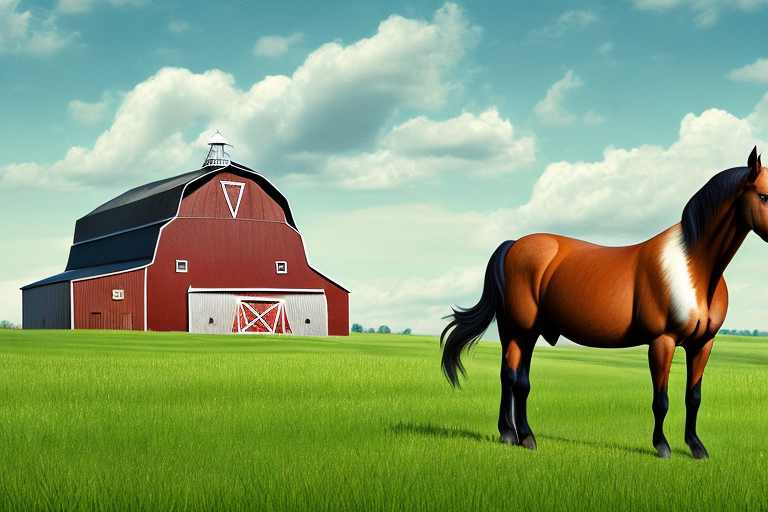
As a Morgan horse breeder, one must have an extensive knowledge of the history, characteristics, and care of these magnificent animals. The Morgan horse breed has a fascinating and unique history that dates back to the 18th century. The breed’s versatility, distinct physical attributes, and docile personality make them a desirable option for a wide array of equestrian activities.
History of the Morgan Horse Breed
Understanding the history of the Morgan horse breed helps us appreciate its versatility, agility, and other admirable characteristics. The evolution of the Morgan horse breed can be traced back to the late 1700s when a small bay stallion named Figure was born in Massachusetts.
Figure’s exact lineage is unknown, but it is likely that it can be traced back to one of the several breeds imported to the United States. Justin Morgan, the horse’s owner, recognized the exceptional qualities of the sire and began to breed him to a select group of mares in Vermont. These offspring inherited their sire’s traits, and soon the breed became well-established in the New England area.
The Morgan horse breed quickly gained popularity due to its versatility and endurance. The breed was used for various purposes, including transportation, farming, and even as a cavalry horse during the American Civil War. The breed’s popularity continued to grow, and it soon became a favorite among horse enthusiasts across the United States.
Key Figures in Morgan Horse Breeding
Several individuals played an essential role in shaping the breed’s development. One of the most prominent figures was Randolph Huntington, who owned a renowned breeding facility in Vermont. Huntington was responsible for introducing the Morgan horse breed to the West Coast of the United States.
Another important figure in Morgan horse breeding was Joseph Battell, who was instrumental in preserving the breed’s bloodlines and promoting its development. Battell established a breeding program at his farm in Middlebury, Vermont, which became one of the most influential Morgan horse breeding programs in the world.
Evolution of the Breed’s Characteristics
The breed’s physical attributes included a distinctive head shape, arched neck, and powerful hindquarters. The breed’s temperament is also unique, with a willingness to work and learn that makes them a popular choice for many equestrian enthusiasts.
Over time, the breed’s characteristics have evolved to meet the changing needs of horse enthusiasts. Today, Morgan horses are known for their athleticism, versatility, and intelligence. They are used for various purposes, including dressage, jumping, and trail riding. The breed’s popularity continues to grow, and it is now recognized as one of the most versatile and beloved horse breeds in the world.
Characteristics of Morgan Horses
The Morgan horse breed is a versatile and popular horse breed that has been around for over 200 years. Their physical attributes, temperament, and performance capabilities make them a desirable option for both beginners and professionals in the equestrian world.
Physical Attributes
The physical attributes of the Morgan horse breed have changed over time, but some traits remain distinctive to this day. The breed usually stands between 14 and 16 hands tall, has a deep chest, short back, and a powerful shoulder. They have an elegant head shape and expressive eyes. Their coats come in different colors, with black, bay, and chestnut being the most common.
Their muscular build and strong legs make them well-suited for a variety of activities, including dressage, jumping, and trail riding. Their compact size also makes them easy to handle and transport.
Temperament and Personality
The Morgan horse breed has a docile nature and is a generally willing and compliant animal. Their mental abilities make them a desirable option for beginners and professionals, as they are easy to train and handle. They are known for their intelligence, loyalty, and affectionate nature towards their owners.
They are also highly adaptable and can thrive in a variety of environments, including urban and rural areas. Their friendly and curious personalities make them a popular choice for therapy and companion animals.
Versatility and Performance
The breed’s versatility is one of the reasons why it’s popular worldwide. Morgans have competed successfully in many equestrian activities, including dressage, jumping, vaulting, and driving. They are also used extensively as a ranch and trail horse.
Due to their exceptional athleticism and endurance, Morgans are also used in endurance riding competitions. They are known for their stamina and can cover long distances without tiring.
In addition to their athletic abilities, Morgans are also used in the entertainment industry. Their striking appearance and gentle nature make them popular for television and film productions.
Overall, the Morgan horse breed is a versatile and beloved breed that has made a significant impact in the equestrian world. Their unique combination of physical attributes, temperament, and performance capabilities make them a desirable option for horse enthusiasts around the world.
The Breeding Process
The process of breeding Morgan horses is an intricate and delicate one that requires a lot of consideration and attention to detail. It is a process that involves several steps and considerations to ensure that the resulting foal is healthy and possesses desirable traits.
Selecting Breeding Stock
Choosing the right breeding stock is the first step in the process of breeding Morgan horses. It is essential to select high-quality breeding stock with desirable traits, including temperament, athleticism, conformation, and health. Breeding stock is usually selected based on their pedigree, performance, and physical attributes.
Temperament is an essential factor to consider when selecting breeding stock. Morgan horses are known for their calm and gentle nature, and breeding stock with a good temperament is more likely to produce foals with similar traits. Athleticism is also a crucial factor to consider, as it determines the horse’s ability to perform in various disciplines.
Conformation refers to the horse’s physical structure and how well it conforms to the breed standard. Breeding stock with good conformation is more likely to produce foals with similar traits. Health is also an essential consideration, as it ensures that the breeding stock is free from genetic disorders and other health issues that may affect the foal.
Breeding Techniques and Considerations
The breeding process involves several steps, starting with a pre-breeding genetic analysis and a thorough physical examination. The genetic analysis helps to identify any potential genetic issues that may affect the foal. The physical examination ensures that the breeding stock is healthy and free from any health issues that may affect the foal.
Mares are usually bred using artificial insemination, which involves the transfer of semen into the mare’s reproductive tract. This technique is preferred as it reduces the risk of injury to the mare and allows breeders to select the best stallion for the mare. Stallions, on the other hand, may breed using collected semen, which is then transferred to the mare’s reproductive tract.
The gestational period usually lasts around 11 months, after which the foal is born. During this period, the mare requires special care and attention, including proper nutrition, exercise, and veterinary care.
Ensuring Genetic Diversity
Morgan horse breeders are dedicated to ensuring the breed’s genetic diversity and preventing genetic anomalies. By carefully selecting breeding stock and conducting genetic testing, breeders can maintain the breed’s desirable characteristics while preventing potential genetic issues. Genetic testing helps to identify any potential genetic disorders that may affect the foal, allowing breeders to select the best breeding stock to prevent such issues.
Overall, the breeding process of Morgan horses is a complex and intricate one that requires a lot of attention to detail and consideration. By selecting high-quality breeding stock, using proper breeding techniques, and ensuring genetic diversity, breeders can produce healthy and desirable foals that excel in various disciplines.
Caring for Morgan Horses
Morgan horses are a versatile breed known for their athleticism, intelligence, and versatility. They are often used for riding, driving, and as show horses. Proper care and attention are necessary to keep these horses healthy and happy. In this article, we will discuss some essential aspects of caring for Morgan horses.
Nutrition and Feeding
A balanced and nutritious diet is essential for the health and well-being of Morgan horses. These horses require good-quality hay, clean water, and a balanced feed concentrate. The amount of feed concentrate will depend on the horse’s age, weight, and activity level. It is essential to provide them with a diet that meets their nutritional needs to maintain their optimal health.
When feeding Morgan horses, it is important to avoid overfeeding them. Overfeeding can lead to obesity, which can cause various health problems, including joint issues and laminitis. It is also important to avoid feeding them too many treats, as this can cause digestive problems and weight gain.
Exercise and Training
Regular exercise is crucial for keeping Morgan horses healthy and happy. Daily turnout time, riding, and lunging are great ways to promote good health and improve the horse’s performance and attitude. These horses are intelligent and energetic, and they need plenty of opportunities to move and play.
Proper training is also critical for Morgan horses. It teaches them the skills they need to excel in every activity they participate in. Training should be done gradually and consistently, with an emphasis on positive reinforcement. Harsh training methods can cause physical and emotional harm to the horse, leading to long-term problems.
Health and Wellness
Regular checkups, vaccinations, and deworming are essential to maintaining a horse’s good health. It is recommended to schedule a veterinary checkup at least once a year to ensure that the horse is in good health. Proper grooming practices, including bathing, brushing, and maintenance of the hooves, are also necessary. Grooming helps to keep the coat and skin healthy and clean, and it also provides an excellent opportunity to bond with the horse.
Morgan horses are prone to specific health issues, including eye and digestive tract problems. It is important to monitor them for these health problems and seek veterinary care promptly if any issues arise. Early detection and treatment can prevent more severe health problems from developing.
In conclusion, caring for Morgan horses requires attention to their nutritional needs, regular exercise and training, and proper health and wellness care. With the right care and attention, these horses can live long, healthy, and happy lives.
Conclusion
As a Morgan horse breeder, one must have an extensive understanding of the breed’s history, characteristics, and care. Morgan horses are known for their distinct physical traits, versatile nature, and docile temperament, making them a popular choice for horse enthusiasts worldwide. Caring for these magnificent creatures, ensuring genetic diversity, and breeding the best stock are responsibilities that any Morgan horse breeder must condition themselves to; however, it’s a privilege to work with the breed, as they possess the very qualities that make them some of the most remarkable horses in the world.

