


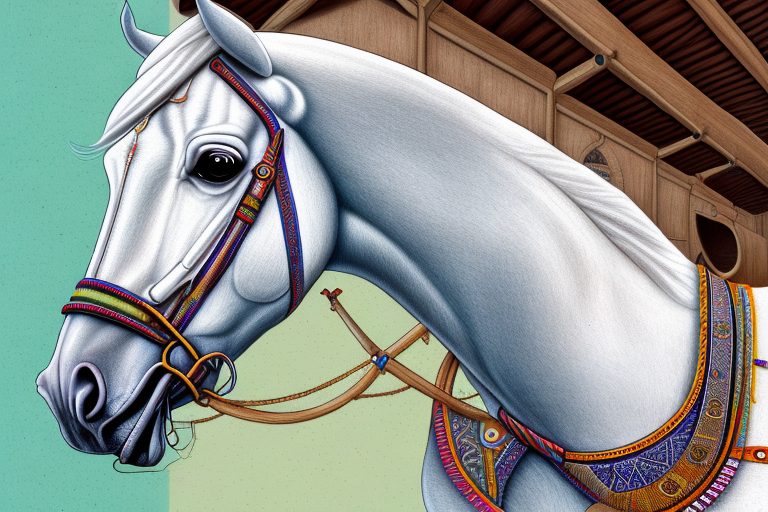
The Marwari horse is a unique breed that originates from the Marwar region of Rajasthan, India. It is known for its distinctive curved ears and a proud, regal bearing. Marwari Horse Breeding has a long and rich history, and today, the breed is prized for its versatility, endurance, and beauty.
History and Origin of the Marwari Horse
The Marwari horse has a fascinating and varied history. The breed is believed to have descended from the horses that were used by the royals of the Marwar region for centuries. The Marwaris were highly revered by the Rajputs, who used them in battles, religious rituals, and ceremonies.
The breed’s most distinctive feature – its curved ears – is believed to have originated from the Arabian horse, which was crossbred with local Indian horses. The Marwari horse is also believed to have been influenced by the Turkoman horse, which was brought to India by the Mughals.
During the British colonial period, the Marwari horse faced a decline in popularity as the British preferred their own breeds. However, the breed was saved from extinction by the efforts of Maharaja Umaid Singh of Jodhpur, who established a breeding program to preserve the Marwari horse. Today, the Marwari horse is still considered a symbol of pride and heritage in Rajasthan, and efforts are being made to promote and preserve the breed.
Physical Characteristics of Marwari Horses
The Marwari horse is a medium-sized horse, standing between 14.2 to 16 hands tall. The breed is known for its elegant and graceful appearance. The most distinctive feature of the Marwari horse is its curved ears, which can rotate up to 180 degrees and are a symbol of its identity. The breed comes in a range of colors, such as black, bay, chestnut, and gray.
In addition to their unique ears, Marwari horses have a distinctive gait that is smooth, comfortable, and fast. Their powerful and agile bodies make them ideal for long-distance riding, and they are often used for endurance riding competitions.
Marwari horses are also known for their loyalty and intelligence. They are quick learners and have a strong sense of self-preservation, which makes them excellent at navigating difficult terrain. Their adaptability and resilience have made them a popular choice for working in agriculture and transportation in their native region of Rajasthan, India. Despite their usefulness, the breed faced a decline in population during the 20th century due to crossbreeding and neglect. However, efforts to preserve the breed have been successful, and Marwari horses are now gaining popularity around the world for their unique characteristics and abilities.
Popular Uses of Marwari Horses
The Marwari horse is a versatile breed that is used for a variety of purposes. They are excellent riding horses and are often used for leisure riding, polo, and dressage. The breed is also used for agricultural work, such as plowing fields and carting loads. In addition, Marwari horses are used in religious and cultural ceremonies and parades, where their regal bearing and majestic appearance make them a popular choice.
Another popular use of Marwari horses is in endurance riding. These horses have a natural ability to cover long distances at a steady pace, making them ideal for endurance riding competitions. They are also used for horse safaris, where tourists can explore the countryside on horseback. Marwari horses are known for their loyalty and bravery, which makes them a popular choice for police and military work as well.
Importance of Marwari Horse Breeding in India
Marwari Horse Breeding is an essential part of India’s heritage. The breed is unique to India and has been an integral part of the country’s culture and history for centuries. The continued breeding and preservation of the Marwari horse is vital to maintain its genetic diversity and ensure its survival for future generations.
Breeding Techniques for Marwari Horses
Breeding Marwari horses is a complex and challenging process. The breeders must consider various factors, such as the horse’s health, temperament, and conformation, when selecting the best candidates for breeding. Inbreeding is discouraged to maintain genetic diversity, and the breeders often crossbreed Marwari horses with other breeds to create hybrid horses with desirable traits.
Challenges Faced in Marwari Horse Breeding
The Marwari horse faces numerous challenges in its breeding and preservation. Habitat loss, climate change, and dwindling gene pools are some of the significant challenges faced by breeders. Apart from this, the close association of Marwari horses with royalty and their use in religious ceremonies have led to the breed’s exploitation for short-term gains, jeopardizing its long-term survival.
Famous Breeders and Trainers of Marwari Horses
India has produced some renowned Marwari horse breeders and trainers over the years, who have made significant contributions to the breed’s preservation and development. Gurjari Stud Farm in Gujarat, India, is one of the leading breeders of Marwari horses. The farm has an extensive collection of Marwari horses and has been involved in various breeding and preservation initiatives. Other notable breeders include the Udaipur Royal Family and the Jodhpur Royal Family.
Marwari Horse Conservation Efforts
Several organizations and individuals are working towards the conservation and preservation of the Marwari horse. The Marwari Horse Society of India is a non-profit organization dedicated to promoting the breed and its welfare. The organization organizes various events and competitions to raise awareness and funds for the breed’s preservation. Other organizations, such as the Marwari Horse Breeders Association and the Marwari Horse Breeders Society, are also working towards the same goal.
Future of Marwari Horse Breeding and its Impact on Equestrian Sports
The future of Marwari Horse Breeding is bright, with increasing awareness and appreciation for the breed’s unique qualities. The breed’s versatility, beauty, and endurance make it an ideal choice for equestrian sports, and several riders are turning towards Marwari horses for their competitions. The successful breeding and preservation of the Marwari horse will have a positive impact on India’s equestrian industry and contribute to the country’s cultural and historical legacy.
In conclusion, Marwari Horse Breeding is an essential part of India’s heritage, and the breed’s survival and preservation are crucial for its long-term survival and contribution to the country’s cultural legacy and equestrian industry.

