


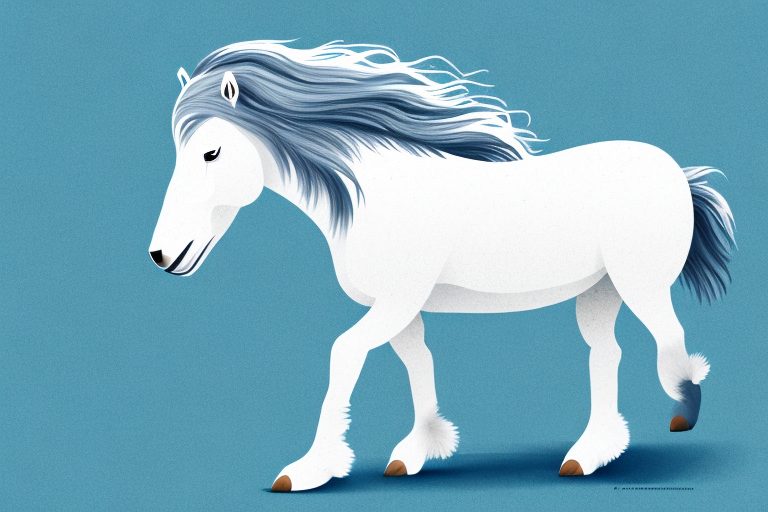
Icelandic Horse Breeding is a centuries-old tradition that is still prevalent in Iceland today. This small island nation has managed to preserve the purest genetic line of horses in the world through careful breeding and management. The Icelandic horse is a unique breed that has adapted to the harsh climate and terrain of Iceland, making it an excellent riding and working horse.
History of Icelandic Horse Breeding
The Icelandic horse has been part of Icelandic culture since the time of the Vikings. These horses were brought to Iceland by the Norse settlers, who prized them for their hardiness, speed, and endurance. Over the centuries, Icelandic breeders carefully managed the genetic line of horses to maintain their unique traits. Horse breeding became a way of life for many Icelanders, and the industry grew significantly in the 20th century.
Today, Icelandic horse breeding is still a thriving industry in Iceland. The Icelandic horse is known for its five gaits, including the unique tölt gait, which is smooth and comfortable for riders. Icelandic horses are also highly valued for their temperament, intelligence, and versatility. They are used for everything from leisure riding to racing and even sheep herding. The Icelandic government has strict regulations in place to protect the breed and ensure that only purebred Icelandic horses are exported from the country.
Characteristics of Icelandic Horses
Icelandic horses are distinct from other breeds in several ways. They are smaller, standing only around 12 to 14 hands high, and sturdy, with a thick coat to protect them from the Icelandic winters. They are also known for their five natural gaits, including the unique “tolt” gait, which is a smooth, easy ride. Icelandic horses are intelligent, friendly, and easy to train, making them popular riding horses around the world.
In addition to their physical and behavioral characteristics, Icelandic horses have a rich history and cultural significance in Iceland. They have been bred in Iceland for over 1,000 years and were essential to the country’s survival, serving as transportation, farm animals, and even companions. Today, Icelandic horses are still highly valued in Iceland and are celebrated in various cultural events and competitions, such as the annual “Icelandic Horse Festival.” Their unique qualities and cultural significance make them a beloved and important part of Icelandic heritage.
Breeding Goals for Icelandic Horses
The primary breeding goal for Icelandic horses is to maintain their unique characteristics while also improving their quality. Breeders strive to produce horses with strong conformation, good temperament, and athletic ability. The breed standard is based on strict criteria, including size, conformation, and gait quality.
In addition to the physical characteristics, Icelandic horse breeders also focus on preserving the breed’s genetic diversity. This is important for the long-term health and sustainability of the breed. To achieve this, breeders carefully select breeding pairs and avoid inbreeding. They also participate in genetic testing and research to better understand the breed’s unique genetic makeup.
Selecting Mares and Stallions for Breeding
Selecting the right mares and stallions for breeding is crucial to maintaining the quality of the Icelandic horse. Breeders consider several factors when selecting horses, including temperament, conformation, gait quality, and genetic background. They also look for horses with a proven track record of success in competitions.
In addition to these factors, breeders also take into account the overall health and fertility of the horses they select for breeding. Horses with a history of health issues or low fertility rates may not be suitable for breeding, as these traits can be passed down to their offspring. Additionally, breeders may consider the availability of the selected horses for breeding, as some horses may be in high demand and difficult to access.
The Role of Genetics in Icelandic Horse Breeding
Genetics plays a crucial role in Icelandic horse breeding, with breeders using selective breeding to maintain the desired traits of the breed. DNA testing is now available to help breeders identify carriers of genetic disorders, improving the health of the breeding population.
In addition to DNA testing, Icelandic horse breeders also use a system called “flock registration” to track the ancestry and genetic history of each horse. This system allows breeders to make informed decisions about which horses to breed together in order to produce the best possible offspring. By carefully managing the genetics of the breeding population, Icelandic horse breeders are able to maintain the unique characteristics and qualities that make this breed so special.
Techniques for Artificial Insemination in Icelandic Horse Breeding
Artificial insemination is a widespread practice in Icelandic horse breeding, allowing breeders to select the best stallions from around the world for their mares. Successful breeding requires careful management, tracking heat cycles, and using ultrasound to monitor the pregnancy.
In addition to these techniques, some breeders also use embryo transfer as a way to increase the number of offspring from their top-performing mares. This involves removing a fertilized embryo from the mare and transferring it to a surrogate mare, who will carry the pregnancy to term. While this technique can be more expensive and time-consuming than traditional artificial insemination, it allows breeders to produce multiple offspring from their best mares in a single breeding season.
Challenges and Solutions in Icelandic Horse Breeding
Icelandic Horse breeding faces several challenges, including maintaining genetic diversity, preventing inbreeding, and managing genetic disorders. Solutions include careful management of genetic lines, controlled breeding programs, and monitoring for genetic disorders.
Training and Socialization of Foals in Icelandic Horse Breeding
Training and socialization of foals are essential for developing a trainable, well-mannered horse. Breeding programs include training programs designed to help foals develop their natural gaits and become familiar with humans, other horses, and different environments.
Marketing and Sale of Icelandic Horses
The Icelandic horse is a popular horse breed around the world, with growing demand for riding and working horses. Marketing and sales of Icelandic horses include international breed shows, auctions, and online sales platforms.
In conclusion, Icelandic horse breeding is a unique and fascinating tradition that has been part of Icelandic culture for centuries. Careful breeding and genetic management have preserved the unique traits of the Icelandic horse, making it a popular riding and working horse around the world. As demand for this breed grows, breeding programs must maintain strict standards and carefully manage genetic diversity to ensure the longevity of the breed.

