


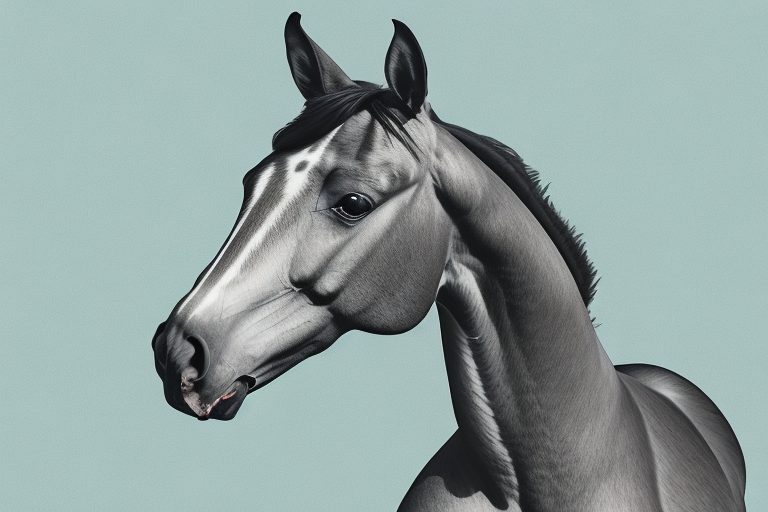
Have you ever wondered about the history and origins of Dutch Warmblood horses? Or perhaps you’re interested in the characteristics and traits that make them unique? In this article, we will explore all these topics and more as we delve into the world of Dutch Warmblood horse breeding in Gauteng, South Africa.
The History and Origins of Dutch Warmblood Horses
The Dutch Warmblood horse breed, also known as the KWPN (Koninklijk Warmbloed Paard Nederland), has a rich history that dates back centuries. Its origins can be traced to the late 19th century, when Dutch breeders recognized the need for a versatile and athletic horse for agricultural work, transportation, and as a military mount.
Through careful selection and crossbreeding, the Dutch Warmblood breed was developed. It combined the elegance and refinement of the Thoroughbred with the strength and endurance of local carriage and harness horse breeds. Over time, this breeding program resulted in a horse that excelled in various disciplines, including dressage, show jumping, and eventing.
The Characteristics and Traits of Dutch Warmblood Horses
Dutch Warmblood horses are known for their athleticism, intelligence, and willingness to work. They typically possess a strong, muscular build with well-defined joints and limbs. Their average height ranges from 15.2 to 17 hands, making them suitable for riders of various sizes and disciplines.
One of the distinguishing characteristics of Dutch Warmblood horses is their expressive and elegant movement. They have a floating trot, which is highly sought after in dressage competitions. Additionally, they have a powerful jump and exceptional agility, making them formidable competitors in show jumping.
Besides their physical attributes, Dutch Warmblood horses are known for their calm and willing temperament. They have a strong work ethic and a desire to please their riders, making them suitable for both professional riders and amateurs.
Exploring the Popularity of Dutch Warmblood Horse Breeding in South Africa
The popularity of Dutch Warmblood horse breeding has been steadily increasing in South Africa, particularly in Gauteng. There are several reasons why these horses have captured the attention of breeders and enthusiasts in the region.
Firstly, Dutch Warmblood horses have proven themselves to be successful in international competitions. Their exceptional performance and versatility have earned them a reputation as top performers in dressage and show jumping. This success has sparked the interest of breeders in South Africa, who recognize the potential for producing high-quality sport horses.
Furthermore, the Dutch Warmblood breed’s adaptability to various climates and terrains makes them well-suited to the South African environment. Their robust constitution and natural athleticism allow them to thrive in both hot and cold conditions.
Lastly, the increasing awareness of the breed’s potential has led to a growing demand for Dutch Warmblood horses in South Africa. Breeders and riders alike are seeking out these horses for their exceptional talent and trainable nature.
The Role of Gauteng in Dutch Warmblood Horse Breeding
Gauteng, located in the northeastern region of South Africa, has emerged as a prominent hub for Dutch Warmblood horse breeding. Its favorable climate, access to quality equestrian facilities, and a strong community of breeders have contributed to its success in this field.
In Gauteng, breeders have access to fertile land and spacious pastures, providing an ideal environment for raising and grazing horses. The region also boasts a range of world-class equestrian centers, which offer state-of-the-art facilities for training and competition.
Additionally, Gauteng has a well-established network of breeders, trainers, and riders who share a passion for Dutch Warmblood horses. This close-knit community fosters collaboration, knowledge-sharing, and ensures the continual improvement of breeding practices.
Dutch Warmblood Horse Breeders in Gauteng: A Profile
In Gauteng, you’ll find a diverse range of Dutch Warmblood horse breeders who are dedicated to producing top-quality horses. These breeders have a deep understanding of the breed’s characteristics and strive to maintain its exceptional traits through careful selection and breeding.
Many breeders in Gauteng have established their breeding programs with a specific focus, such as producing dressage prospects or elite show jumpers. They meticulously study bloodlines and genetics, selecting stallions and mares that complement each other to produce offspring with the desired traits.
Some breeders take their commitment even further by investing in advanced reproductive techniques, such as embryo transfer and artificial insemination, to maximize their breeding efforts. This dedication to excellence has earned Gauteng breeders recognition both locally and internationally.
The Importance of Selective Breeding in Maintaining Quality Dutch Warmblood Horses
The success and quality of Dutch Warmblood horses can be attributed to the meticulous process of selective breeding. Breeders carefully evaluate and select horses based on their conformation, movement, temperament, and performance.
By selecting only the best individuals for breeding, breeders aim to enhance desirable traits while reducing the likelihood of passing on undesirable characteristics. This ensures the continual improvement of the Dutch Warmblood breed and the preservation of its exceptional qualities.
Moreover, selective breeding helps maintain genetic diversity within the breed. By incorporating genetic material from various bloodlines and countries, breeders can avoid inbreeding and its potential detrimental effects on the breed’s health and performance.
Factors to Consider When Choosing a Dutch Warmblood Horse Breeder in Gauteng
When selecting a Dutch Warmblood horse breeder in Gauteng, it’s essential to consider several factors that will contribute to the overall success and satisfaction of your breeding experience.
Firstly, research the breeder’s reputation and track record. Look for breeders with a proven record of producing high-quality horses that excel in their chosen discipline. Reading reviews and speaking to other horse owners can provide invaluable insights into a breeder’s professionalism and the quality of their horses.
Secondly, consider the breeder’s facilities and the standard of care provided to their horses. A reputable breeder will prioritize the well-being and welfare of their animals, ensuring they are raised in a healthy and nurturing environment.
Lastly, communication and transparency are crucial when choosing a breeder. Look for breeders who are open and honest about their breeding practices, bloodlines, and any potential health or performance concerns. A breeder who actively engages with potential buyers and provides ongoing support is an invaluable asset.
The Process of Breeding Dutch Warmblood Horses: From Selection to Foaling
Breeding Dutch Warmblood horses is a complex and intricate process that requires careful planning and attention to detail. It typically involves several stages, each essential for ensuring the production of healthy and talented offspring.
The first step in the breeding process is selecting compatible stallions and mares with desirable traits. Breeders carefully analyze bloodlines, conformation, movement, temperament, and performance records to make informed decisions.
Once the breeding pair is selected, the mare is brought to the breeding facility or stallion’s stud. Breeding can occur via natural cover, where the mare is bred naturally with the stallion, or through artificial insemination, where semen is collected and then introduced into the mare’s reproductive tract.
Following successful breeding, the mare undergoes a gestation period of approximately 11 months. During this time, regular veterinary care and monitoring are necessary to ensure the mare’s health and the development of the foal.
Eventually, the foaling period arrives, and breeders attentively observe the mare to provide any necessary assistance during the birth process. Once the foal is born, it receives immediate veterinary care and is monitored closely in its early stages of life.
Raising and Training Dutch Warmblood Horses in Gauteng, South Africa
Once Dutch Warmblood foals are born, the process of raising and training begins. Breeders in Gauteng prioritize giving their horses the best start in life by providing them with a nurturing and stimulating environment.
From an early age, foals are handled daily to ensure they learn to trust humans and become accustomed to regular grooming and handling. They are turned out to pasture to socialize with other horses and develop their natural athleticism.
As the foals mature, they undergo a gradual training process that focuses on developing their physical and mental abilities. Trainers employ various methods, including lunging, long-lining, and ground work, to instill obedience and establish a strong foundation of basic skills.
Once these fundamental skills are established, the horses progress to under-saddle training. Professional riders, with expertise in the specific discipline the horse is destined for, continue the horse’s education and development.
Throughout their training, Dutch Warmblood horses are given ample opportunities to showcase their capabilities through participation in local and national competitions. This exposure not only helps in assessing their progress but also allows them to gain valuable experience in a competitive environment.
Showcasing the Successes of Dutch Warmblood Horses Bred in Gauteng
Gauteng has become a breeding ground for talented Dutch Warmblood horses who have achieved remarkable success both nationally and internationally. These horses continue to make their mark in various equestrian disciplines, showcasing the exceptional breeding programs and training methods employed in the region.
Many Dutch Warmblood horses bred in Gauteng have excelled in dressage, consistently achieving high scores and earning accolades in national and international competitions. Their impressive movement, rideability, and trainability continue to impress judges and enthusiasts alike.
Moreover, Gauteng-bred Dutch Warmblood horses have made their presence felt in show jumping arenas worldwide. Their powerful jumps, quick reflexes, and exceptional athleticism have propelled them to victory in prestigious events, placing them at the forefront of the show jumping scene.
Challenges and Opportunities in the Dutch Warmblood Horse Breeding Industry in Gauteng, South Africa
While there are numerous opportunities in the Dutch Warmblood horse breeding industry in Gauteng, breeders also face several challenges that require careful consideration and proactive management.
One such challenge is ensuring genetic diversity within the breed. As breeders strive to produce horses with desirable traits, there is a risk of overreliance on a limited number of successful bloodlines. To mitigate this, breeders must actively seek out and incorporate genetic material from different sources to maintain the overall health and longevity of the breed.
Furthermore, as a result of the breed’s growing popularity, the demand for Dutch Warmblood horses has increased significantly. This surge in demand necessitates breeders to carefully manage their breeding programs and ensure the responsible production of horses that meet the breed standards and excel in their respective disciplines.
Lastly, sustainability plays an essential role in the long-term success of the Dutch Warmblood horse breeding industry. Breeders must actively implement environmentally-friendly practices, such as responsible land management, waste reduction, and energy conservation, to minimize their ecological footprint.
Dutch Warmblood Horse Associations and Events in Gauteng: Connecting Breeders and Enthusiasts
In Gauteng, there are several Dutch Warmblood horse associations and events that serve as vital platforms for breeders and enthusiasts to connect, exchange knowledge, and showcase their horses.
The Gauteng Dutch Warmblood Horse Society (GDWHS) is a well-established association that promotes the breed and supports its breeders in the region. The GDWHS organizes seminars, workshops, and educational events for breeders, trainers, and riders to stay abreast of the latest developments in Dutch Warmblood breeding and training techniques.
Additionally, Gauteng hosts various Dutch Warmblood horse shows and competitions throughout the year. These events provide an opportunity for breeders and owners to present their horses to a knowledgeable audience, receive feedback from judges, and network with other enthusiasts in the industry.
The Economic Impact of Dutch Warmblood Horse Breeding in Gauteng, South Africa
The Dutch Warmblood horse breeding industry in Gauteng has a significant economic impact on both the local and national economy. The industry contributes to job creation, tourism, and the export of high-value horses.
Given the breed’s success in international competitions, Gauteng breeders have gained recognition for their ability to produce horses of exceptional quality. As a result, there is a growing demand for Gauteng-bred Dutch Warmblood horses from buyers both within South Africa and abroad.
This demand has a positive ripple effect on the economy, benefiting various sectors such as transportation, veterinary services, feed suppliers, and equestrian equipment manufacturers. Moreover, the success of Gauteng-bred Dutch Warmblood horses enhances the region’s reputation as a hub of excellence in horse breeding.
Exploring the Future of Dutch Warmblood Horse Breeding in Gauteng
The future of Dutch Warmblood horse breeding in Gauteng looks promising, with ample opportunities for growth and innovation. Breeders in the region are continually adopting advanced reproductive technologies, such as embryo transfer and genetic testing, to improve breeding outcomes and enhance the breed’s genetic pool.
Additionally, ongoing investments into research and development are paving the way for better understanding of equine genetics, training methodologies, and nutrition. This knowledge will contribute to the continual improvement of breeding practices and the production of horses that are not only exceptional athletes but also possess optimal health and longevity.
Furthermore, initiatives promoting sustainable practices within the industry are gaining momentum, driven by the recognition of the importance of preserving the environment and promoting the well-being of horses.
As breeders, trainers, and enthusiasts continue to collaborate and leverage the region’s considerable resources, the future of Dutch Warmblood horse breeding in Gauteng appears bright, ensuring that Gauteng-bred Dutch Warmblood horses will remain at the forefront of the equestrian world for years to come.

