


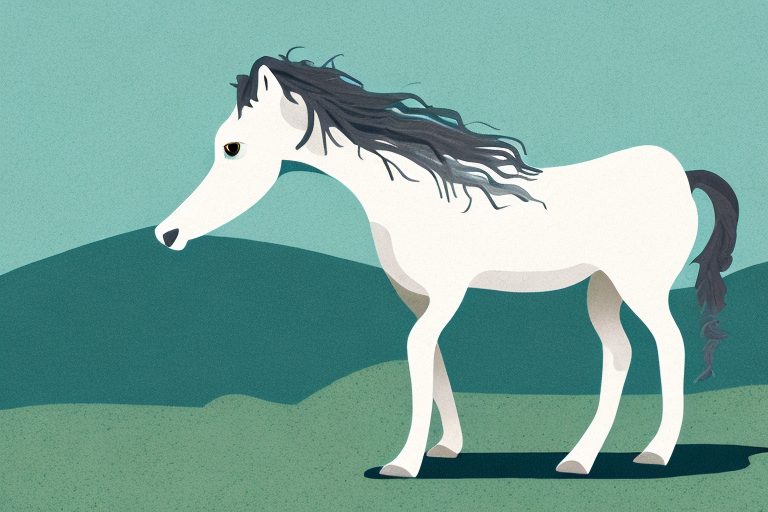
Dartmoor ponies are a hardy breed that have been bred on Dartmoor, a rugged moorland in Devon, England, for hundreds of years. The breed has a long and fascinating history that is closely connected with the economic and social history of the region. In this article, we will explore the history of Dartmoor ponies, their characteristics, and the breeding practices used to produce these hardy and versatile horses.
The History of Dartmoor Ponies
The Dartmoor pony is an ancient breed with roots that stretch back to Roman times. Historically, the ponies were used for a variety of purposes, including as pack animals, for transport, and as work horses on farms and mines. The breed was also once prized for its meat, and during the Middle Ages, the ponies were hunted for their flesh.
Despite their long history, Dartmoor ponies almost disappeared in the 19th century due to the rise of the Industrial Revolution and the development of mechanized transport. However, a group of dedicated breed enthusiasts worked hard to save the breed, and, today, the Dartmoor pony is a cherished part of the cultural heritage of the region.
Today, Dartmoor ponies are primarily used for conservation grazing, helping to maintain the unique landscape of the Dartmoor National Park. They are also popular for riding and showing, with their hardy nature and gentle temperament making them a favorite among equestrians. Despite their small size, Dartmoor ponies are known for their strength and endurance, and they continue to be an important part of the cultural and economic fabric of the region.
Characteristics of Dartmoor Ponies
Dartmoor ponies are hardy, sure-footed, and versatile animals that are adapted to harsh moorland environments. They are small in size, usually standing at around 12-14 hands, and have a distinctive appearance with thick manes and tails, sturdy legs, and expressive heads. The breed has a variety of colors, but the most common are brown, black, and gray.
Dartmoor ponies are known for their intelligence and their friendly personalities. They are also good-natured and easy to handle, which makes them an excellent choice for novice horse owners and children.
In addition to their friendly personalities, Dartmoor ponies are also highly adaptable to different types of work. They are often used for riding, driving, and even as pack animals. Their small size and sure-footedness make them ideal for navigating difficult terrain, and their hardy nature allows them to work in a variety of weather conditions. Despite their versatility, Dartmoor ponies are still considered a rare breed, with only a few thousand individuals remaining in the world.
Breeding Practices for Dartmoor Ponies
Like all breeds of horse, Dartmoor ponies are carefully bred to maintain and improve their desirable characteristics. However, because the breed is a native, indigenous breed, breeding is carefully controlled to ensure that the ponies remain true to their historic and cultural roots.
Breeders select only the best quality mares and stallions for breeding, taking into account their health, conformation, and temperament. The goal is to produce foals that are strong, healthy, and true to the breed’s characteristics.
Selecting the Right Breeding Stock for Dartmoor Ponies
Choosing the right breeding stock for Dartmoor ponies is an essential part of the breeding process. Breeders look for mares and stallions that have excellent conformation, including good bone structure, a strong back, and straight legs. They also consider the horse’s health, looking for animals with no history of genetic or hereditary diseases.
Breeders also take into account the temperament and personality of the horse, looking for animals that are easy to handle and have a friendly, outgoing personality. These characteristics are important because they can be passed on to the foals, making them easier to train and handle.
Caring for Pregnant Dartmoor Mares
Pregnant Dartmoor mares need special care to ensure the health and well-being of the foal. The mare should be fed a balanced diet, with plenty of forage and a protein-rich feed. She should also be provided with clean, dry bedding and a warm, sheltered environment.
The mare’s health should be closely monitored throughout the pregnancy, and any signs of illness or distress should be reported to a veterinarian immediately.
The Foaling Process for Dartmoor Ponies
The foaling process for Dartmoor ponies is usually uncomplicated, and most mares will foal without human intervention. However, it is important to be prepared in case of any complications. The mare should be placed in a clean, dry foaling stall with plenty of clean bedding and easy access to food and water.
During foaling, the mare should be monitored closely, and any signs of distress or difficulty should be reported to a veterinarian immediately. After foaling, the foal should be allowed to nurse as soon as possible, and both mare and foal should be closely monitored for any health problems.
Raising Healthy Dartmoor Pony Foals
Raising healthy Dartmoor pony foals requires careful attention to their diet, health, and socialization. Foals should be fed a balanced diet, with plenty of milk from their mother and introduced to solid food gradually. They should also be allowed to graze in a safe, enclosed area and have access to clean water.
Socialization is also essential for young foals, and they should be allowed to interact with other foals and horses to learn their social place within the herd.
Training and Handling Young Dartmoor Ponies
Training and handling young Dartmoor ponies is essential for their future behavior and health. Foals should be halter-trained as soon as possible and taught to lead, tie, and stand quietly for grooming and veterinary care.
Their training should continue as they grow, with gentle and consistent handling to teach them basic obedience and safe behavior around humans. Early training helps to build trust and respect between horse and handler, which is essential for a happy and healthy relationship.
The Future of Dartmoor Pony Breeding
The future of Dartmoor pony breeding is dependent on the dedication of breeders and enthusiasts who work tirelessly to maintain and improve the breed. These hardy and versatile animals have an important place in the cultural heritage of the region and deserve to be preserved for future generations to enjoy.
Through careful breeding practices, responsible ownership, and education, we can ensure that Dartmoor ponies continue to thrive and play an essential role in the equestrian world.

