


If you are a horse lover, then you must be aware of the Appaloosa horse breed, which is known for its unique coat patterns, endurance, and versatility. In this article, we will explore everything you need to know about Appaloosa horse breeding, including the breed’s history, characteristics, genetics, and health issues that need to be taken into account. So, let’s dive in!
The History of Appaloosa Horse Breeding
The Appaloosa breed originated in North America when Spanish explorers brought their horses to the continent in the sixteenth century. These horses interbred with the native Nez Perce tribe’s horses, which resulted in the development of the Appaloosa breed. The breed was used for transportation, hunting, and warfare by the tribe and was admired for its hardiness, endurance, and intelligence. The breed’s popularity grew in the 1940s and 1950s when Hollywood movies featuring Appaloosa horses brought the breed into the limelight.
Characteristics of the Appaloosa Horse Breed
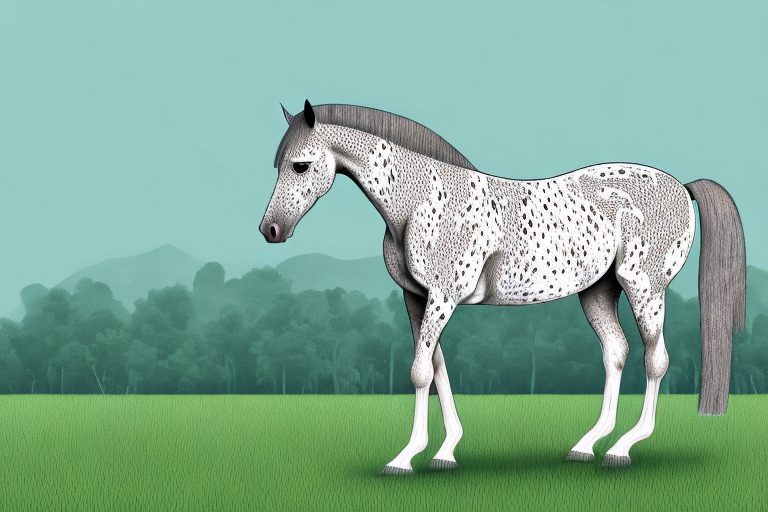
The Appaloosa horse breed has a unique coat pattern consisting of dark spots or patches on a lighter base color. The breed can have a range of base colors, including black, chestnut, grey, bay, and palomino. The spots can vary in size and shape and may be evenly distributed or concentrated on particular areas like the rump. Appaloosas have distinctive striped hooves, mottled skin around their eyes and nostrils, and white sclera around their eyes, which makes them stand out from other horse breeds.
Appaloosas are highly versatile horses and are used for a wide range of activities, such as ranch work, trail riding, barrel racing, and show jumping. They have excellent endurance capabilities and are suitable for long-distance riding. Appaloosas have a friendly temperament and are easily trained, making them ideal for beginner riders. They can grow up to 15-16 hands tall and have an average lifespan of 25-30 years.
The Importance of Pedigrees in Appaloosa Horse Breeding
When it comes to Appaloosa horse breeding, pedigrees are crucial. A horse’s pedigree refers to its ancestry and genetics and is an essential factor in determining its physical and behavioral traits. A good pedigree includes horses with desirable traits such as a strong or athletic build, high endurance, and a good temperament. By breeding horses with good pedigrees, breeders can ensure that the next generation of Appaloosas will have superior qualities.
Understanding Appaloosa Horse Genetics and Color Patterns
The Appaloosa breed’s unique coat patterns are the result of a genetic mutation called LP (leopard complex). The LP gene regulates the amount and distribution of pigmentation in the skin and hair follicles, which results in the formation of dark spots on a lighter base coat. Appaloosa horses can also exhibit solid coat patterns, which are the result of other genetic mutations.
Breeders need to have a thorough understanding of these genetic patterns to ensure that they get the desired coat patterns in their breeding programs. They can also use genetic testing to identify horses that carry certain genes, which can help them make more informed breeding decisions.
Selecting the Right Stallion and Mare for Breeding Appaloosa Horses
When it comes to breeding Appaloosa horses, choosing the right stallion and mare is crucial. Breeders need to consider factors such as the horse’s pedigree, temperament, health, and physical conformation. Physical conformation refers to the horse’s body structure, including its legs, feet, and overall build. A horse with good conformation is less likely to develop health problems later in life and will have superior athletic abilities.
When selecting a stallion and mare, breeders need to ensure that both horses complement each other’s traits and have desirable physical and behavioral characteristics. They can also use artificial insemination or natural covering to breed horses, depending on their breeding goals and resources.
Artificial Insemination vs. Natural Covering in Appaloosa Horse Breeding
Artificial insemination (AI) is a popular method of breeding horses that involves collecting sperm from a stallion and transferring it to a mare’s reproductive tract. AI is a convenient method for breeders as it eliminates the need for transporting horses to breeding farms and can result in higher pregnancy rates. However, AI can also reduce genetic diversity as breeders are more likely to use the same popular stallions for multiple mares.
Natural covering, on the other hand, involves allowing a stallion and mare to mate naturally. This method allows for greater genetic diversity and can result in healthier foals. However, it can also be more challenging to manage and can result in injuries to horses.
Tips for Successful Appaloosa Horse Breeding Programs
Successful Appaloosa horse breeding programs require careful planning and management. Breeders need to ensure that they have a clear breeding goal in mind and select horses that fit that goal. They also need to provide appropriate care and nutrition to their breeding horses, which includes regular vet checkups, vaccinations, and deworming.
Breeders should also keep detailed records of their breeding program, including pedigrees, health, and reproductive history for each horse. This information can help them make more informed decisions in the future and evaluate the success of their breeding program.
Common Health Issues to Watch Out for When Breeding Appaloosa Horses
Appaloosa horses are generally healthy animals, but breeders need to watch out for certain health issues that can affect the breed. These include:
- Eye problems such as equine recurrent uveitis
- Hoof problems such as laminitis and navicular disease
- Genetic disorders such as hyperkalemic periodic paralysis and glycogen branching enzyme deficiency
- Intestinal problems such as colic
Breeders need to ensure that they provide appropriate care and management to prevent these health issues from occurring and seek veterinary care immediately if they suspect any problems.
The Role of Technology in Modern Day Appaloosa Horse Breeding
The role of technology in Appaloosa horse breeding has increased significantly in recent years. Breeders can now use advanced reproductive technologies such as embryo transfer, sexed semen, and cloning to improve their breeding programs. Genetic testing is also becoming more accessible, allowing breeders to identify horses that carry certain genes and reduce the risk of genetic disorders.
Technology has also made it easier for breeders to manage their breeding programs and keep track of their horses’ health and breeding history. Online platforms and software now allow for easy record-keeping and communication between breeders and buyers, making it easier to market and sell Appaloosa horses.
Conclusion
Appaloosa horse breeding is a complex and fascinating field that requires careful planning and management. Breeders need to pay attention to factors such as pedigrees, physical and behavioral traits, and health issues to produce superior Appaloosa horses. With the advent of advanced reproductive technologies and genetic testing, breeders now have more tools at their disposal to improve their breeding programs and produce horses with desirable traits.

