


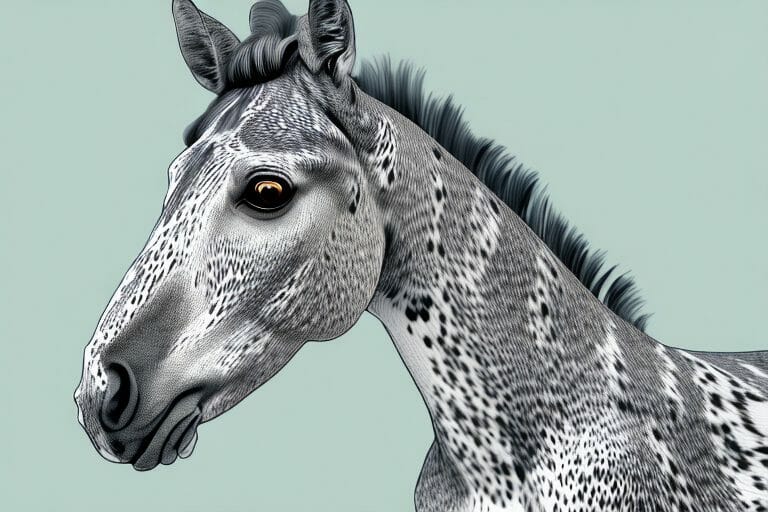
If you’re considering becoming an Appaloosa horse breeder, it’s important to have a deep understanding of the breed and its unique characteristics. In this comprehensive guide, we’ll cover everything from the breed’s history to choosing the best stallion and mare for breeding, best practices for breeding, how to train and socialize foals, and caring for pregnant mares and newborn foals. We’ll also examine common health issues and the Appaloosa horse show competitions and standards. By the end of this article, you’ll be well-equipped to start your Appaloosa breeding journey.
History of the Appaloosa Horse Breed
Appaloosa horses have a rich and storied history that dates back centuries. Originally bred by the Nez Percé tribe in North America, Appaloosas were prized for their color patterns and stamina. After being introduced to European settlers, Appaloosas became popular working horses and were used extensively in agriculture, transportation, and the military. Despite the breed’s decline in popularity during the 20th century, it has experienced a revival in recent years due to its unique appeal as a versatile and hardy breed.
Today, Appaloosas are used in a variety of disciplines, including western pleasure, trail riding, and even dressage. They are known for their intelligence, athleticism, and willingness to please their riders. In addition, the Appaloosa Horse Club was established in 1938 to promote and preserve the breed, and it remains an active organization today. With their rich history and continued popularity, Appaloosas are sure to remain a beloved breed for years to come.
Characteristics of Appaloosa Horses
Appaloosa horses are known for their distinctive coat patterns, which include spots, speckles, and roans. These coat patterns are caused by a genetic trait that is passed down from generation to generation. In addition to their unique appearance, Appaloosas are also known for their intelligence, strength, and endurance. They have a muscular build, with strong legs and hooves that make them well-suited for a variety of activities, including ranch work, trail riding, and sport.
Appaloosas are also known for their friendly and affectionate personalities. They are often described as being people-oriented and enjoy spending time with their owners. This makes them great companions for those who are looking for a horse that is not only versatile but also has a great temperament. Appaloosas are also highly trainable and can excel in a variety of disciplines, including dressage, jumping, and barrel racing. Their versatility and unique appearance make them a popular choice among horse enthusiasts around the world.
The Appeal of Appaloosa Horses as Breeding Stock
There are many reasons why Appaloosa horses are popular as breeding stock. Perhaps the most significant is their versatility. Appaloosas can be crossed with other breeds to create a wide range of offspring. Additionally, Appaloosas are known for their hardiness, which makes them well-suited for life on the ranch or in the show ring. Finally, Appaloosas are prized for their unique coat patterns, which can be passed down to their offspring.
Another reason why Appaloosa horses are sought after as breeding stock is their temperament. Appaloosas are known for their calm and gentle nature, which makes them easy to handle and train. This trait is especially important for breeding, as it ensures that the offspring will inherit a similar disposition. Furthermore, Appaloosas have a long lifespan, which means that breeders can expect to have many years of use from their breeding stock.
Choosing the Right Stallion and Mare for Breeding
Choosing the right stallion and mare is critical when breeding Appaloosa horses. Ideally, you want to select horses that complement each other’s strengths and weaknesses. This means looking for horses that have good conformation, strong genetics, and a solid temperament. It’s also important to consider the horse’s bloodlines and whether they have a history of producing successful offspring.
Best Practices for Appaloosa Horse Breeding
There are many best practices for breeding Appaloosa horses that you should be aware of. First and foremost, it’s essential to choose horses that are genetically compatible. This means selecting horses that are not too closely related and that don’t have any known genetic disorders. It’s also important to provide the horses with proper nutrition, exercise, and medical care. Finally, it’s essential to have a plan for the foals, including how they will be raised, trained, and shown.
Training and Socializing Appaloosa Foals
Training and socializing Appaloosa foals is a critical part of the breeding process. It’s essential to start the training process early and to work with the foals consistently and patiently. This includes teaching them basic manners, such as standing still for grooming and leading. It’s also important to socialize the foals with other horses and people, as this will help them become well-adjusted and well-behaved adults.
Caring for Pregnant Mares and Newborn Foals
Caring for pregnant mares and newborn foals is another critical aspect of Appaloosa horse breeding. Mares should be provided with proper nutrition and medical care throughout their pregnancy, and foaling should be supervised to ensure a safe and healthy delivery. Newborn foals should receive proper nutrition and veterinary care, as well as socialization and consistent handling to help them develop into healthy and well-adjusted adults.
Common Health Issues in Appaloosa Horses and How to Prevent Them
Like all horses, Appaloosas are prone to certain health issues. These include diseases such as Equine Recurrent Uveitis (ERU) and Appaloosa Dwarfism, as well as common conditions such as lameness and colic. To prevent these health issues, it’s important to provide horses with proper nutrition, regular exercise, and preventative medical care. Additionally, it’s critical to monitor horses for signs of illness or injury and to seek veterinary care promptly if needed.
Appaloosa Horse Show Competitions and Standards
Finally, Appaloosa horse breeders should be familiar with the breed’s show standards and competitions. The Appaloosa Horse Club is the breed’s official registry, and it hosts a variety of shows and competitions throughout the year. These competitions include events such as halter, western pleasure, and English equitation, and they are judged based on the horse’s conformation, movement, and performance. By familiarizing yourself with these standards and competitions, you can ensure that your horses are competitive in the show ring and highly sought after as breeding stock.
In conclusion, Appaloosa horse breeding requires dedication, hard work, and a deep understanding of the breed and its unique characteristics. By following these best practices and guidelines, you can breed healthy, well-adjusted, and successful Appaloosa horses that will make a valuable addition to any ranch or show barn.

