


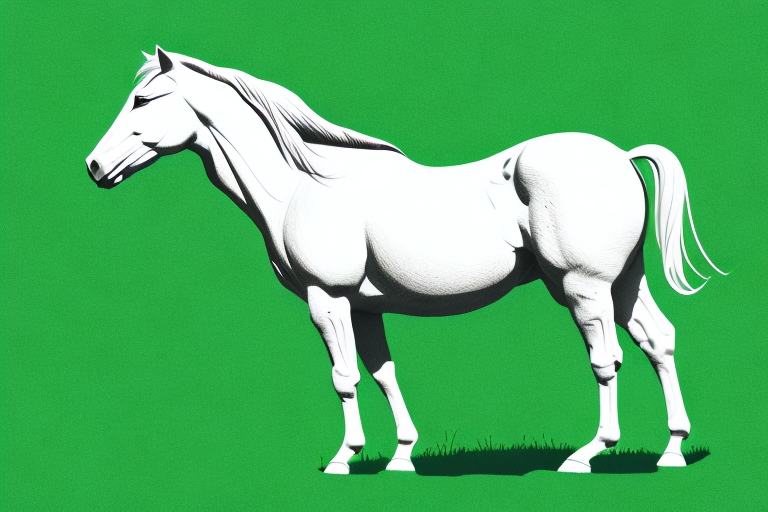
As an American Quarter Horse breeder, it is essential to understand the origins and development of this iconic breed, as well as the characteristics that make it such a sought-after equine. Additionally, the breeding process and the role of the breeder are critical components that contribute to the success of any breeding program. In this article, we will delve into the fascinating world of American Quarter Horse breeding and explore the various stages of the breeding process in detail.
History of the American Quarter Horse
Origins and Development
The American Quarter Horse is a breed that evolved in North America from the horses that Spanish conquistadors brought with them in the early 16th century. The horses that the Spanish brought were of Arabian and Barb descent, and these breeds were crossed with the native horses of the Americas, such as the Chickasaw, Cherokee, and Comanche. The result was a horse that was quick, agile, powerful, and could run an impressive quarter-mile distance at high speeds, hence its name, the ‘quarter horse.’
As settlers moved west in the 1800s, the Quarter Horse became the horse of choice for ranchers, cowboys, and other working men due to their exceptional athleticism, intelligence, and agility. They were ideal for working cattle, as well as for racing, herding, and transportation.
The Quarter Horse’s unique characteristics made it a popular breed for many different jobs. They were used to move cattle, as well as for transportation and racing. They were also used for herding and as a general workhorse on ranches. This versatility made them a valuable asset to the American West.
The American Quarter Horse Association (AQHA)
The American Quarter Horse Association (AQHA) was formed in 1940 to preserve and enhance the breed’s qualities, promote its versatility, and register and record pedigrees. Today, the AQHA is the world’s largest equine breed registry and membership organization, with over five million registered horses and members in over 70 countries.
The AQHA has been instrumental in preserving the breed’s unique characteristics and promoting its versatility. They have established guidelines for breeding, training, and showing Quarter Horses. They also sponsor numerous events and competitions, including racing, showing, and rodeo events.
Famous American Quarter Horses in History
There have been many famous American Quarter Horses throughout history, including the legendary Poco Bueno, a Foundation Quarter Horse stallion who was a top performance horse and sire.
Another famous Quarter Horse was Doc Bar, a legendary sire who produced many top performance horses. Doc Bar was known for his intelligence, athleticism, and versatility, and his bloodline can be found in many of today’s top Quarter Horses.
Other famous Quarter Horses include Dash for Cash, a top racing horse who won over $500,000 in his career, and Smart Little Lena, a cutting horse who won three major competitions in one year.
These horses, along with many others, have helped to establish the American Quarter Horse as one of the most versatile and beloved breeds in the world.
Characteristics of the American Quarter Horse
The American Quarter Horse is a breed that has been revered for its physical attributes, temperament and personality, and versatility and performance. This breed is known for its solidly built frame, friendly nature, and impressive speed and agility.
Physical Attributes
American Quarter Horses have distinct physical attributes that have made them such a popular breed. They are solidly built, with muscular hindquarters, broad chests, and deep girths. This gives them the strength and power to excel in a variety of disciplines, including racing, cutting, and reining.
The breed typically stands between 14 and 16 hands high and weighs between 950 and 1250 pounds. This size and weight make them ideal for working on ranches or performing in the show ring. Their short, broad head with a straight profile and large, expressive eyes give them a distinctive look that is both beautiful and striking.
Temperament and Personality
The American Quarter Horse is known for its friendly, easy-going nature, making it an ideal companion for both novice and experienced riders. They are intelligent, fast learners and willing workers who enjoy working with humans. This breed is also known for its loyalty and affection towards its owners, making them a popular choice for families and individuals alike.
Their calm and docile temperament also makes them an ideal breed for therapy work. They are often used in equine-assisted therapy programs to help individuals overcome physical, emotional, and mental challenges.
Versatility and Performance
The Quarter Horse is a versatile breed that excels in many disciplines, including racing, cutting, reining, judging, pleasure, and trail riding. They are known for their impressive speed, agility, and endurance, making them ideal for working on ranches or performing in the show ring.
One of the most popular events for the American Quarter Horse is barrel racing. This exciting event requires the horse and rider to navigate a course of barrels in the shortest amount of time possible. The Quarter Horse’s speed and agility make them a top choice for this event.
The breed is also popular for its athleticism and versatility in rodeo events such as steer wrestling and team roping. These events require a horse that is both quick and agile, and the Quarter Horse is well-suited for these challenges.
In addition to their physical abilities, the American Quarter Horse is also known for its intelligence and trainability. They are fast learners and willing workers, making them a popular choice for both novice and experienced riders.
Overall, the American Quarter Horse is a breed that has captured the hearts of horse lovers around the world. Their physical attributes, friendly nature, and impressive performance abilities make them a top choice for a variety of disciplines and activities.
The Breeding Process
Selecting Breeding Stock
The first step in the breeding process is to select the appropriate breeding stock. Breeders look for horses that are conformationally sound, have a good pedigree, and exhibit desirable traits that they want to pass onto the next generation. These traits may include a particular color, size, height, and disposition.
Conformation is the physical structure and appearance of the horse, which includes its overall body shape, the placement of its legs, and the size and shape of its head. Breeders look for horses with good conformation because it can affect the horse’s performance and soundness.
A good pedigree is important because it can indicate the horse’s genetic potential for certain traits. For example, if the horse’s parents were successful racehorses, then the horse may have a higher potential for speed and athleticism.
Disposition refers to the horse’s temperament and personality. Breeders look for horses with a good disposition because it can make them easier to handle and train, and can also make them more suitable for certain disciplines, such as dressage or trail riding.
Breeding Techniques and Methods
There are several breeding techniques and methods that breeders may use to achieve a successful pregnancy. These include natural breeding, artificial insemination, embryo transfer, and cloning. Each method has its advantages and disadvantages, and breeders must carefully evaluate which method is best suited for their program.
Natural breeding involves allowing the mare and stallion to mate naturally, either in a pasture or in a breeding shed. This method is the most traditional and natural way of breeding horses, but it can be risky because the mare and stallion may injure each other during the breeding process.
Artificial insemination involves collecting semen from a stallion and depositing it directly into the mare’s uterus. This method is less risky than natural breeding and allows breeders to use stallions that are located far away from the mare.
Embryo transfer involves removing an embryo from a mare and implanting it into a surrogate mare. This method allows breeders to produce multiple foals from one mare in a single breeding season, but it can be expensive and requires specialized equipment and expertise.
Cloning involves creating a genetic copy of a horse by taking cells from the original horse and implanting them into a mare’s egg. This method is controversial and expensive, but it allows breeders to produce exact replicas of successful horses.
Pregnancy and Foaling
Once the mare is pregnant, the gestation period is approximately 11 months. During this time, the mare requires proper nutrition, exercise, and veterinary care to ensure a healthy pregnancy and foal. It is important to monitor the mare’s weight and body condition throughout the pregnancy and adjust her diet accordingly.
The mare should also be exercised regularly, but not excessively, to maintain her fitness and muscle tone. This can include light riding, lunging, or turnout in a pasture.
As the due date approaches, the mare is monitored closely for signs of labor, such as restlessness, sweating, and waxing of the udder. Once the foal is born, it requires immediate care and attention to ensure its health and well-being.
The foal should be allowed to nurse from the mare as soon as possible to receive colostrum, which contains essential antibodies and nutrients that help protect the foal from disease. The foal should also be examined by a veterinarian to check for any abnormalities or health issues.
Post-natal Care and Early Training
After the foal is born, post-natal care includes providing proper nutrition, vaccinations, and regular veterinary checkups. The foal should be fed a high-quality milk replacer or allowed to nurse from the mare until it is weaned at around 4-6 months of age.
Early training is also crucial to ensure the foal learns appropriate behavior and manners, such as leading, halter training, and standing for grooming and hoof care. This training should be done gradually and with positive reinforcement to avoid stressing or injuring the foal.
Overall, breeding horses requires careful planning, attention to detail, and a commitment to the health and well-being of the mare and foal. By selecting the appropriate breeding stock and using the proper breeding techniques and methods, breeders can produce healthy and successful horses for a variety of disciplines and purposes.
The Role of the Breeder
Ethical Breeding Practices
The role of the breeder is not just to produce horses but also to do so with the highest ethical standards in mind. Ethical breeding practices include responsible breeding selection, proper care of breeding stock, responsible sale practices, and a commitment to the breed’s long-term well-being.
Health and Genetic Testing
Breeders need to be aware of the various genetic diseases and health concerns that can impact their breeding program. Testing for genetic markers and keeping detailed health records can help ensure healthy, quality foals are produced.
Record Keeping and Registration
Record keeping and registration of breeding stock and foals are critical for maintaining breed standards and ensuring accurate lineage. Breeders must keep meticulous records of breeding dates, birthdates, and parentage, and register all foals with the appropriate breed registry.
Marketing and Selling Quarter Horses
The final step in the breeding process is marketing and selling Quarter Horses. Breeders must be knowledgeable about the market trends, advertise their horses effectively, and establish a reputation for producing quality animals.
Conclusion
Breeding American Quarter Horses is a complex process that requires dedication, patience, and knowledge. From understanding the breed’s history and characteristics, to selecting appropriate breeding stock, to caring for foals and selling them, breeders play a vital role in preserving and promoting this iconic breed. With responsible breeding practices and a commitment to quality, breeders can contribute to the long-term success of American Quarter Horse breeding and ensure these magnificent animals continue to thrive for generations to come.

