


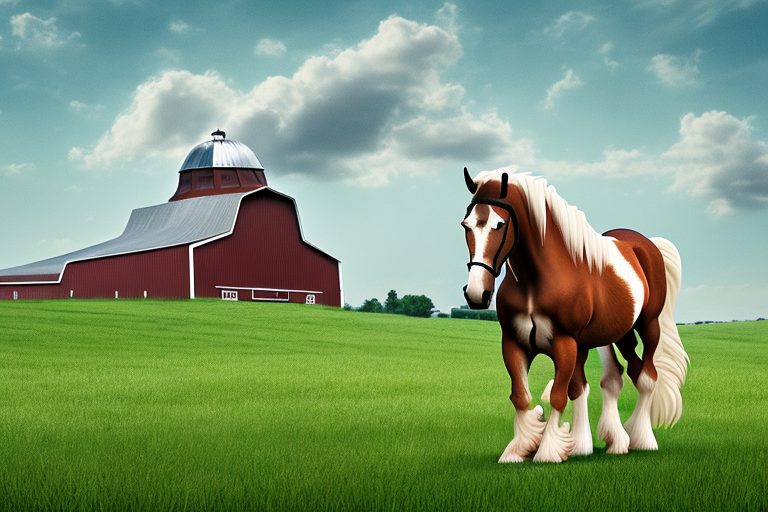
Belgian Draft Horses are a popular breed in the United States, known for their strength and impressive size. American Belgian Draft Horse breeding involves specialized techniques and practices to produce healthy and robust horses that meet the breed’s high standards. In this article, we’ll explore the fascinating history of American Belgian Draft Horse breeding, their physical characteristics and traits, proper breeding practices, and caring for pregnant mares and foals. We’ll also take a look at the challenges and opportunities in the industry, future trends and innovations, and the role of breed associations in promoting and protecting Belgian Draft Horse breeds.
The History of American Belgian Draft Horse Breeding
The Belgian Draft Horse has humble beginnings, with roots tracing back to medieval times when it was used as a workhorse in the fields of Flanders, Belgium. Belgians were first imported to the United States in the 1880s during the boom of industrialization, when massive horsepower was needed to haul heavy loads in urban areas. The breed quickly caught on, and by the early 1900s, Belgian Draft Horses were being bred in America. Today, the American Belgian Draft Horse is a highly prized breed, used for a variety of purposes, including farming, forestry, and transportation.
Despite their popularity, the American Belgian Draft Horse faced a decline in the mid-20th century due to the rise of mechanization and the use of tractors in agriculture. However, dedicated breeders and enthusiasts worked to preserve the breed, and today, the American Belgian Draft Horse is recognized as a valuable part of American agricultural heritage. In addition to their work capabilities, Belgians are also used in competitive events such as pulling contests and parades, showcasing their strength and beauty.
Physical Characteristics and Traits of the Belgian Draft Horse
The Belgian Draft Horse is a large and powerful horse that can weigh up to 2,000 pounds. It has a broad chest, short back, and heavily muscled legs. Its color is usually chestnut with a flaxen mane and tail, but black, bay, and gray colors can also be found. The breed is known for its calm demeanor, willingness to work, and exceptional strength. Its powerful stature and gentle disposition have made it a favorite among horse lovers worldwide.
The Importance of Proper Breeding Practices for American Belgian Draft Horses
Proper breeding practices are crucial for producing healthy and strong American Belgian Draft Horses. Breeders must carefully select breeding stock that possesses desirable characteristics, including conformation, temperament, and strength. They must also ensure that the horses do not have any genetic defects or health issues that could be passed on to their offspring. Breeding on a large scale can lead to inbreeding and decrease genetic variation, which can result in weakened immune systems and other health issues.
Selecting the Best Breeding Stock for American Belgian Draft Horses
Selecting the best breeding stock is a crucial step in producing quality American Belgian Draft Horses. Breeders must consider the horse’s physical build, temperament, and overall health, as well as other factors, such as past performance, bloodline, and genetic history. They must also make sure that the horse has good conformation, sound hooves, and a straight, healthy back. Breeders should avoid horses with conformational problems, such as those with crooked legs, an excessive amount of weight in the front or back, or an overly short or long neck.
Breeding Techniques and Strategies for American Belgian Draft Horses
Breeding techniques and strategies for American Belgian Draft Horses have evolved over time, with various methods and technologies being used to improve the breed. Natural breeding is still the most common method, but artificial insemination (AI) is also used. Some breeders use embryo transfer, whereby an embryo from one mare is implanted in another, to increase the number of foals they can produce from a single mare. Gene editing is also a new technology that is being used to help avoid genetic defects and improve the overall health of the breed.
Caring for Pregnant Mares and Newborn Foals in American Belgian Draft Horse Breeding
Caring for pregnant mares and newborn foals is an essential part of American Belgian Draft Horse breeding. Breeders must provide proper nutrition and care to pregnant mares, ensuring that they receive the right amount of nutrients, vitamins, and minerals to support their developing foals. Once the foal is born, breeders must provide around-the-clock care, including monitoring the foal’s health, providing colostrum, and assisting with any birthing complications. Breeders must also ensure that foals receive the best nutrition possible to help them grow and develop correctly.
Challenges and Opportunities in the American Belgian Draft Horse Breeding Industry
The American Belgian Draft Horse breeding industry faces various challenges and opportunities. The demand for draft horses has decreased due to the rise of mechanization, and the cost of breeding and raising horses has increased. Breeders must also adapt to changing consumer preferences, such as a shift towards smaller and more agile breeds. However, the popularity of draft horses in the show and pleasure industries continues to create opportunities for breeders.
Future Trends and Innovations in American Belgian Draft Horse Breeding
The future of American Belgian Draft Horse breeding looks promising, with advancements in technology and a growing demand for draft horses. Gene editing, in-vitro fertilization, and cloning are just some of the potential future innovations breeders may use to improve the breed. There is also immense potential for the American Belgian Draft Horse as a sustainable source of energy, particularly for low-impact farming and forestry operations.
The Role of Breed Associations in Promoting and Protecting American Belgian Draft Horse Breeds
Breed associations play an essential role in promoting and protecting American Belgian Draft Horse breeds. By establishing breed standards, organizations ensure that only horses with desirable traits are bred. They also offer educational resources and provide a forum for breeders to share knowledge and ideas. Breed organizations also track pedigrees and registrations, which helps in determining breeding eligibility and protecting against importation of other breeds. Overall, breed associations play an important role in advancing and preserving the breed in the United States.
Conclusion
American Belgian Draft Horse breeding is a unique and fascinating industry that requires both an understanding of the horse’s genetics and specialized breeding techniques. With proper care and attention, breeders can produce healthy, robust horses that possess all the desirable traits and characteristics of the breed. By embracing new technologies and adapting to changing consumer demands, the American Belgian Draft Horse breeding industry can continue to thrive in the years to come.

