


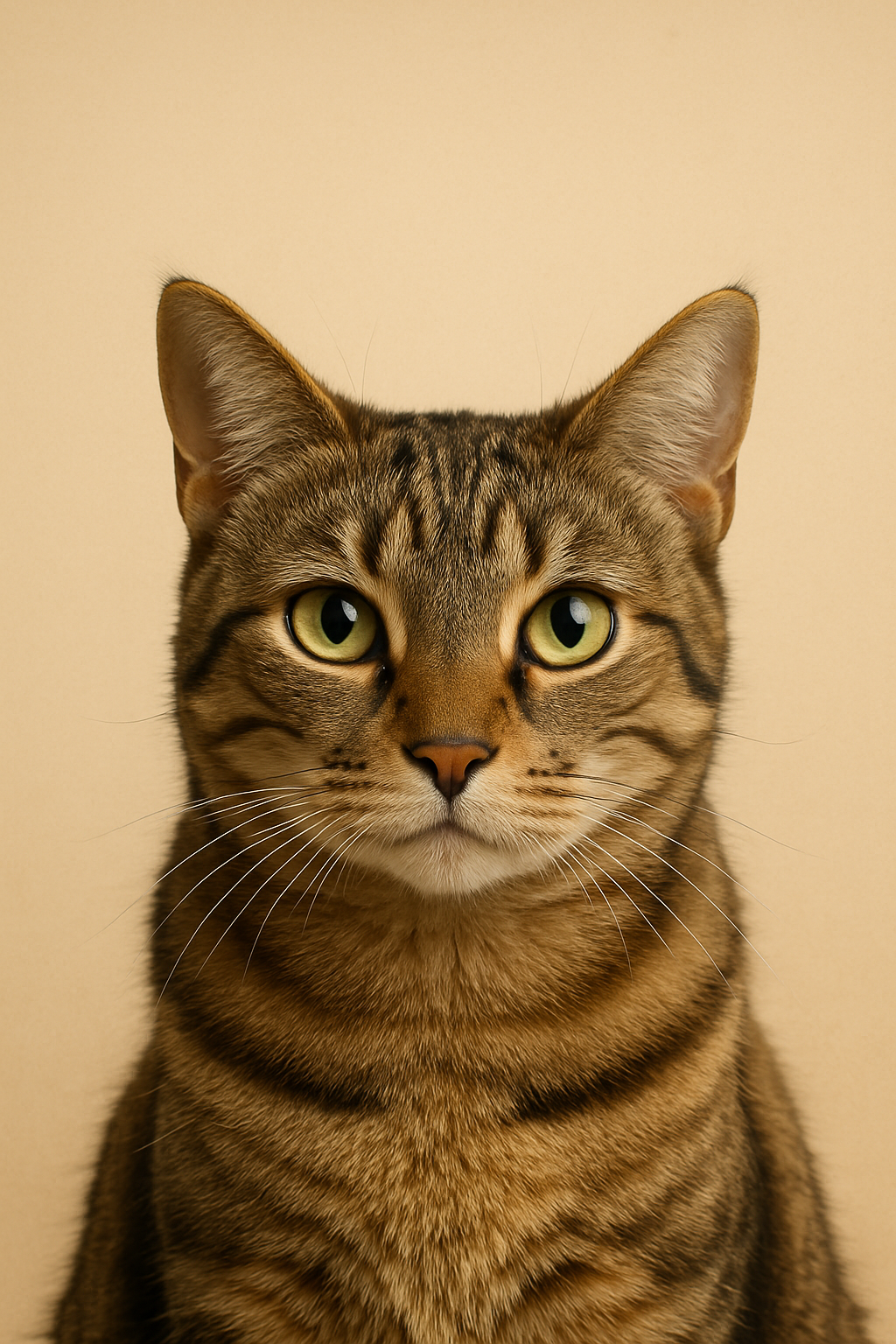
Cats have a reputation for being mysterious, aloof and impossible to understand. But the truth is, cats are constantly communicating with us – we just need to learn their language. Unlike dogs, who’ve been bred for thousands of years to work closely with humans and read our cues, cats domesticated themselves and retain much of their wild ancestry. Understanding cat behaviour isn’t just fascinating; it’s essential for building a strong bond with your feline friend and recognising when something might be wrong.
The Slow Blink: The Ultimate Cat Compliment
If your cat looks at you and slowly closes their eyes, congratulations – you’ve just received a cat kiss. This slow blink is one of the most significant signs of trust and affection a cat can offer.
What It Means
In the wild, prolonged eye contact is a threat or challenge. By slowly closing their eyes at you, your cat is saying, “I trust you so much that I’m comfortable being vulnerable around you.” It’s the equivalent of a human hug or kiss.
How to Respond
Slow blink back! Look at your cat, slowly close your eyes, and open them again. Many cats will respond with another slow blink, creating a back-and-forth ‘conversation’ of affection. This simple technique can help build trust with nervous or new cats.
The 3 AM Stare: Understanding Your Cat’s Internal Clock
Few things are more unsettling than waking up to find your cat staring at you in the darkness. But before you assume they’re plotting your demise, understand their natural rhythm.
Crepuscular Creatures
Cats are crepuscular, meaning they’re most active during dawn and dusk. In the wild, these are the best hunting times – when prey is active but there’s enough light to see. Your pampered house cat retains this instinct, which is why they have energy bursts in the early morning and evening.
Why They Stare
Your cat isn’t being creepy – they’re genuinely confused about why you’re wasting prime hunting time sleeping. They may also be:
- Hungry and hoping you’ll wake up to feed them
- Bored and wanting interaction
- Simply watching you breathe (cats find repetitive movements soothing)
Managing Night Activity
- Play vigorously with your cat before bedtime to tire them out
- Feed a substantial meal right before you sleep (mimics the hunt-eat-groom-sleep cycle)
- Ignore nighttime attention-seeking (rewarding it reinforces the behaviour)
- Provide engaging toys for independent play
- Consider adopting a second cat for companionship
Kneading: Why Your Cat Makes Biscuits
Those rhythmic paw pushes on your lap, accompanied by purring and sometimes drooling? That’s kneading and it’s one of the highest compliments a cat can pay.
The Origins
Kittens knead their mother’s belly while nursing to stimulate milk flow. Adult cats continue this behaviour when they feel utterly content and safe – essentially, you remind them of their mother’s comfort.
What It Means
- Deep contentment and relaxation
- Marking you with scent glands in their paws (you’re ‘theirs’)
- Self-soothing behaviour when stressed
- Preparing a comfortable sleeping spot
Managing the Claws While kneading is adorable, those claws hurt! Try:
- Placing a thick blanket on your lap
- Regular nail trims
- Gently redirecting paws when claws extend
- Never punishing kneading (it’s a positive behaviour)
Head Butts and Face Rubs: Scent Marking Behaviour
When your cat bonks their head against you, they’re not trying to give you a concussion – they’re claiming you.
Bunting Explained
Cats have scent glands on their cheeks, forehead, chin and lips. When they rub these areas against you, furniture, or other pets, they’re depositing pheromones that mark territory and create a ‘colony scent’.
Different Types of Rubs
- Head bunts: strong affection and greeting
- Cheek rubs: friendly marking
- Chin rubs: confident claiming behaviour
- Body rubs: full-commitment affection (especially the tail wrap)
When It’s Excessive
While rubbing is normal, obsessive face rubbing against furniture could indicate:
- Dental pain
- Allergies or itchy skin
- Stress or anxiety – if accompanied by other symptoms, please consult your vet.
The Laptop Sit: It’s Not Sabotage, It’s Love
Your cat doesn’t hate your productivity – they just love you more than they love your work schedule.
Why They Do It
- Heat: laptops are warm, and cats are heat-seeking missiles
- Attention: you’re focused on the laptop, so clearly it must be important
- Scent: they want to mix their scent with yours
- Competition: from their perspective, they’re competing with the laptop for your attention
Solutions That Work
- Place a heating pad or warm blanket next to your workspace
- Set up a comfortable perch at your desk level
- Schedule dedicated play sessions before work time
- Use a decoy laptop or cardboard box
Chattering at Birds: The Frustrated Hunter
That strange clicking, chattering sound your cat makes at birds through the window? It’s equal parts adorable and puzzling.
Theories Behind the Chatter
Experts aren’t entirely certain, but leading theories include:
- Frustration: the cat desperately wants to hunt but can’t reach the prey
- Practice: mimicking the killing bite that severs prey’s spine
- Excitement: pure adrenaline and anticipation
- Mimicry: some scientists believe cats may be mimicking bird calls (though this is debated)
What to Do
- Provide interactive toys that mimic prey
- Regular play sessions with feather wands
- Consider building or buying a ‘catio’ for safe outdoor access
- Accept it as normal, harmless behaviour
Zoomies: The Midnight Race
Sudden, explosive running around the house for no apparent reason – usually at the most inconvenient times.
Why It Happens
- Energy Release: indoor cats don’t get enough physical stimulation
- Hunting Instinct: mimics the chase portion of hunting
- Bowel Movement: cats sometimes get bursts of energy after using the litter box (the post-poop zoom is real)
- Schedule: remember that crepuscular clock – evening zoomies are natural
Is It Normal?
Yes, completely! Zoomies in young to middle-aged cats are perfectly healthy. However, if a senior cat suddenly develops zoomies, it could indicate hyperthyroidism – worth mentioning to your vet.
Tail Language: What Every Position Means
A cat’s tail is an emotional barometer if you know how to read it.
Tail Positions Decoded:
Straight Up (Flagpole)
- Happy, confident greeting
- “I’m friendly and approachable”
- Often seen when approaching beloved humans
Straight Up with Curved Tip (Question Mark)
- Playful mood
- “Want to interact?”
- Friendly curiosity
Puffed Up (Bottle Brush)
- Frightened or aggressive
- Trying to appear larger
- Back away and give space
Low or Tucked
- Fearful, anxious, or submissive
- Feeling threatened
- May be in pain
Whipping/Thrashing
- Agitated or annoyed
- “Leave me alone”
- May precede aggression
Gentle Swaying
- Focused concentration
- Often seen before pouncing
- Hunting mode activated
Wrapped Around You
- Ultimate affection
- Cat equivalent of holding hands
- Deep trust and love
Bringing You ‘Gifts’: The Gross Reality
Finding a dead (or worse, still-living) mouse on your pillow is horrifying, but your cat thinks it’s thoughtful.
Why They Do It
Cats don’t understand that we can feed ourselves. They’re either:
- Teaching you to hunt (mother cats bring prey to teach kittens)
- Providing for their family (you’re helpless and can’t hunt)
- Showing off their skills
- Bringing prey to a safe place to eat
How to Respond
- Don’t punish (they think they’re helping)
- Praise them verbally while quickly removing the ‘gift’
- Increase indoor play to satisfy hunting needs
- Consider a bell on their collar if they’re outdoor cats
- If they’re indoor cats and catching mice, you may have a pest problem
Showing the Belly: It’s a Trap!
Your cat rolls over, exposes their fluffy belly and you reach out to pet it… CHOMP. Why do they do this?
The Belly Truth
A cat showing their belly means they trust you enough to display their most vulnerable area. However, it does NOT mean they want it touched. The belly is a sensitive, vulnerable spot that triggers a defensive response when touched.
Reading the Room
Some cats do enjoy belly rubs, but most don’t. Signs they actually want belly attention:
- Relaxed body language
- Slow blinking
- Gentle, deliberate movements
- Purring continues when you touch belly
If They Attack
It’s not meanness – it’s instinct. Respect their boundaries and stick to head scratches and back pets.
Kicking with Back Feet: The Bunny Kick
During play or when holding a toy, cats grab with front paws and rapidly kick with back feet. This move has a purpose.
The Hunting Technique
This is a killing behaviour. In the wild, cats use this ‘bunny kick’ to:
- Disembowel larger prey
- Disable prey while keeping head/teeth away from the cat’s face
- Fight off predators
In Domestic Life
When your cat does this to:
- Toys: healthy, appropriate hunting behaviour
- Your Arm: overstimulated play that’s gone too far – stop immediately
- Other Pets: could be play or actual fighting – watch body language
Encouraging Proper Use
- Provide kick toys (elongated stuffed toys)
- Use wand toys to keep hands away during play
- Stop play if it gets too rough
- Never use hands as toys
When Behaviour Changes: Red Flags to Watch
While all the above behaviours are normal, sudden changes can indicate problems:
Behaviour Changes That Need Vet Attention:
- Sudden aggression in a previously gentle cat
- Hiding more than usual
- Avoiding interaction
- Changes in vocalisation (more meowing or suddenly quiet)
- Eliminating outside the litter box
- Over-grooming or stopping grooming
- Changes in eating or drinking
- Reduced play or movement
Cats hide illness instinctively, so behavioural changes are often the first sign something’s wrong.
Building Better Communication
Tips for Understanding Your Cat Better:
- Observe Patterns: keep a journal of behaviours and what triggers them
- Respect Boundaries: let your cat come to you
- Provide Enrichment: bored cats develop problem behaviours
- Learn Their Unique Language: every cat is slightly different
- Watch Body Language Holistically: consider ears, tail, eyes, posture, and vocalizations together
Conclusion
Cats aren’t mysterious – they’re just speaking a different language. Once you learn to read their signals, you’ll realise they’re constantly communicating their needs, emotions and affection. That ‘aloof’ cat? They’re probably showing love in ways you haven’t recognised yet.
The next time your cat slow blinks at you, makes biscuits on your lap, or head-bunts your face at 6am, remember: this is how they say “I love you.” And really, isn’t the 3am staring just their way of making sure you’re still breathing? (Okay, maybe that one’s still a little creepy.)
Understanding your cat’s behaviour doesn’t just make them less mysterious – it deepens your bond and helps you provide better care. After all, an understood cat is a happy cat and a happy cat makes for a much more peaceful home (and fewer midnight zoomies… maybe).


