


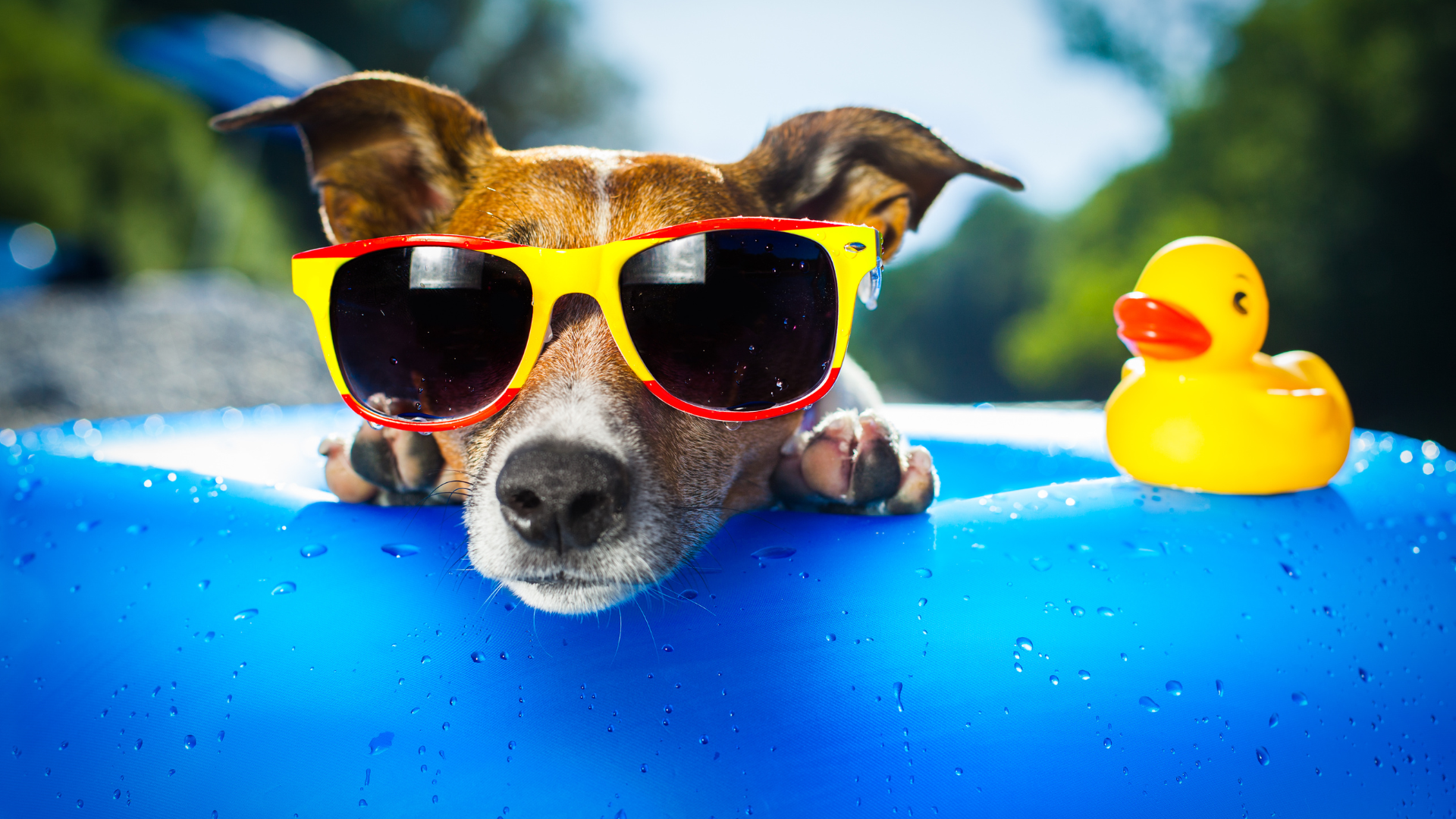
South African summers are glorious – until you remember your pet is wearing a fur coat in 35°C heat. While we can strip down, jump in a pool and enjoy cold drinks, our pets rely entirely on us to keep them safe and comfortable. Heatstroke in pets can be fatal and happens faster than most owners realise. This comprehensive guide will help you navigate the unique challenges of keeping your pet safe during South Africa’s scorching summers.
Understanding How Dogs and Cats Cool Down
Unlike humans who sweat through our skin, dogs and cats have very limited cooling mechanisms:
Dogs Cool Through:
- Panting: their primary cooling method – evaporation from the tongue and respiratory tract
- Paw Pads: minimal sweat glands in their paws (not very effective)
- Vasodilation: blood vessels expand to release heat through ears and less-furry areas
Cats Cool Through:
- Grooming: saliva evaporation cools the skin
- Panting: less efficient than dogs; if your cat is panting, they’re dangerously overheated
- Behavioural Changes: seeking cool surfaces, stretching out, reducing activity
The Problem
These methods are far less effective than human sweating, especially in humid conditions where evaporation is slower. This means pets overheat much faster than we do.
Recognizing Heatstroke: Know the Signs
Heatstroke is a medical emergency with a narrow window for intervention. Knowing the signs can save your pet’s life.
Early Warning Signs:
- Heavy, rapid panting
- Excessive drooling or thick saliva
- Bright red tongue and gums
- Restlessness or anxiety
- Seeking cool places desperately
Advanced Signs (EMERGENCY):
- Vomiting or diarrhoea
- Weakness or collapse
- Pale or grey gums
- Glazed eyes
- Unsteadiness or staggering
- Seizures
- Loss of consciousness
Critical Facts:
- Heatstroke can occur in as little as 15 minutes
- It can be fatal within 30 – 60 minutes without treatment
- Brain damage can occur at body temperatures above 41°C
- Certain breeds are at higher risk
What to Do:
- Move to shade/cool area immediately
- Apply cool (NOT ice cold) water to belly, paws, neck
- Offer small amounts of water if conscious
- Turn on fan or air conditioning
- GET TO A VET IMMEDIATELY – even if they seem to recover
- Don’t use ice – it constricts blood vessels and prevents cooling
The Car Death Trap: It’s Worse Than You Think
“I’ll only be gone 5 minutes” has killed countless pets. The numbers are shocking:
The Reality:
- At 25°C outside, car interiors reach 40°C in 10 minutes
- At 30°C outside, car interiors reach 50°C in 20 minutes
- Cracking windows makes almost no difference (maybe 2-3°C)
- Even parking in shade doesn’t prevent dangerous temperatures
Why It’s So Deadly:
Cars are essentially greenhouses. Sunlight enters through windows, heats surfaces, which then radiate heat that can’t escape. The greenhouse effect means temperatures rise faster and higher than outside temperatures.
The Rule:
Never leave your pet in the car during summer months. Not for “just a minute,” not with windows cracked, not in the shade. Period. If you see a pet in distress in a hot car, call emergency services and the SPCA immediately.
Breed-Specific Risks: Who’s Most Vulnerable?
High-Risk Dog Breeds (Brachycephalic):
- Bulldogs (English, French, American)
- Pugs
- Boston Terriers
- Boxers
- Shih Tzus
- Pekingese
Why: Shortened airways make panting inefficient. They can overheat on ‘mild’ 25°C days.
High-Risk Cat Breeds:
- Persians
- Himalayans
- Exotic Shorthairs
- Scottish Folds
Other High-Risk Categories:
- Overweight pets (fat insulates and retains heat)
- Senior pets (less efficient cooling systems)
- Very young puppies/kittens
- Dark-coloured fur (absorbs more heat)
- Thick-coated breeds (Huskies, Malamutes, Maine Coons)
- Pets with heart or respiratory conditions
Walking in Summer: Timing and Pavement Protection
The 7-Second Rule
Before any walk, place the back of your hand on the pavement for 7 seconds. If it’s too hot for your hand, it’s too hot for paws. Asphalt and concrete can reach 60 – 70°C in direct sun – hot enough to cause serious burns within seconds.
Safe Walking Times in South African Summer:
- Before 8 AM: Surfaces haven’t absorbed heat yet
- After 8 PM: Surfaces have cooled significantly
- Avoid: 10am – 6pm
Warning Signs of Burned Paws:
- Limping or refusing to walk
- Licking or chewing paws excessively
- Darkened pads
- Blisters or redness
- Reluctance to walk the next day
Paw Protection Options:
- Dog boots: take time for your dog to adjust, but offer best protection
- Paw wax: creates a protective barrier; reapply regularly
- Walk on grass: stick to parks, verges, and shaded areas
- Shorter walks: multiple short walks better than one long one
Hydration: More Complex Than You Think
Water Needs:
- Dogs: approximately 60ml per kg of body weight daily (more when active)
- Cats: approximately 60ml per kg daily (but they’re notoriously poor drinkers)
Signs of Dehydration:
- Lethargy
- Dry gums
- Sunken eyes
- Loss of skin elasticity (pinched skin doesn’t bounce back)
- Excessive panting
Encouraging Hydration:
For Dogs:
- Multiple water bowls around house and garden
- Refresh water frequently (warm water is less appealing)
- Add ice cubes to water bowls
- Offer ice cubes as treats
- Bring portable water on walks
- Consider dog-safe electrolyte solutions for very active dogs
For Cats:
- Water fountains (running water attracts cats)
- Multiple bowls in different locations
- Wide, shallow bowls (cats dislike whiskers touching sides)
- Keep water away from litter boxes and food
- Add water to wet food
- Offer ice cubes to play with
- Try different bowl materials (ceramic, glass, stainless)
Indoor Cooling Strategies
Creating a Cool Environment:
Airflow:
- Fans (pets can sit in front of them)
- Open windows for cross-breeze (but check security)
- Air conditioning if available
Cool Surfaces:
- Tile or concrete floors
- Cooling mats (gel or water-filled)
- Elevated beds (allows air circulation underneath)
- Damp towels on the floor
Cool Zones:
- Bathrooms often stay cooler
- Basement or lowest level of house
- Shaded rooms with curtains drawn
DIY Cooling:
- Freeze water in large bottles; wrap in towel for pets to lie against
- Fill hot water bottle with cold water
- Wet towel over crate (ensure airflow)
For Cats Specifically:
- Cats often seek cool surfaces naturally (sinks, tiles)
- Some cats enjoy damp towel rubs
- Don’t force – let them find their own cool spots
Outdoor Safety for Dogs with Yards
Essential Shade: Your dog needs access to REAL shade – not just morning shade that becomes full sun by noon.
Proper Shade Requirements:
- Large enough for full body + comfortable space
- Moves with the sun or covers multiple areas
- Well-ventilated (not enclosed)
- Off the ground if possible (ground radiates heat)
Shade Options:
- Trees (best natural option)
- Shade cloth (blocks 70 – 90% of sun)
- Purpose-built dog houses (with ventilation)
- Tarps or umbrellas
- Covered patios
Water Outdoors:
- Heavy bowls that won’t tip
- Multiple locations
- Shaded placement
- Check and refill multiple times daily
- Consider automatic waterers
Kiddie Pools: Many dogs love cooling off in shallow pools:
- Only a few inches of water needed
- Supervise always
- Change water daily (mosquitoes)
- Place in shaded area
- Not all dogs like water – don’t force it
Exercise Modifications
Understanding Exercise in Heat:
Exercise generates internal heat. When it’s hot outside, even moderate exercise can quickly lead to overheating.
Safe Summer Exercise:
Morning/Evening Walks:
- Coolest parts of the day
- Still check pavement temperature
- Shorter duration than winter walks
Swimming:
- Excellent low-impact, cooling exercise
- Always supervise
- Not all dogs can swim naturally
- Check for currents, depth, hazards
- Rinse after beach/pool (salt and chlorine irritate skin)
Indoor Activities:
- Training sessions (mental exhaustion)
- Hide and seek
- Puzzle toys
- Indoor fetch with soft toys
- Tug of war
What to Avoid:
- Midday walks or exercise
- Running alongside bicycles
- Fetch in direct sun
- Intense training sessions
- Hiking during peak heat
For Active Breeds: Yes, your Husky or Border Collie still needs exercise, but modify:
- Break exercise into multiple short sessions
- Emphasise mental stimulation
- Early morning is essential
- Consider dog daycare with airconditioning
- Indoor dog parks if available
Cooling Treats and Food
Frozen Treats (Safe for Dogs):
- Frozen broth cubes (low sodium, no onions/garlic)
- Frozen banana slices
- Pupsicles: blend dog-safe fruit + yogurt, then freeze
- Frozen carrots (great teething aid too)
- Stuff Kong with food, freeze overnight
Frozen Treats (Safe for Cats):
- Frozen tuna juice cubes
- Frozen low-sodium chicken broth
- Ice cubes in water (some cats love batting them)
- Frozen cat food (weird but some cats enjoy it)
Food Considerations:
- Wet food contains more moisture
- Smaller, more frequent meals (digestion generates heat)
- Avoid leaving dry food in heat (goes rancid)
- Don’t overfeed – obesity increases heat risk
Grooming and Fur Management
To Shave or Not to Shave: This is controversial, but here’s the science:
Dogs/Cats Who Benefit from Trimming:
- Long-haired breeds (not shaved, just trimmed/thinned)
- Matted fur (mats trap heat)
- Dogs with undercoats can be ‘blown out’
Never Shave:
- Double-coated breeds (Huskies, Golden Retrievers, German Shepherds)
- Cats (except for medical reasons)
Why: Double coats actually insulate against both cold AND heat. The undercoat traps cool air, while the topcoat reflects sun. Shaving exposes skin to sunburn and removes natural cooling system.
Instead of Shaving:
- Regular brushing to remove dead undercoat
- Professional de-shedding treatments
- Keep fur clean (dirty fur doesn’t insulate properly)
Sun Protection: Dogs with:
- Pink noses
- Light/white fur
- Thin hair
- Recently shaved areas
…need pet-safe sunscreen on exposed skin. Apply to ears, nose, and belly. Human sunscreen can be toxic to pets.
Special Considerations for Cats
Cats are both better and worse at handling heat than dogs:
Advantages:
- Better at self-regulating (seeking cool spots)
- Lower activity levels
- More efficient water extraction from food
Disadvantages:
- If they’re panting, it’s an emergency
- Less obvious signs of distress
- May hide when feeling unwell
- More sensitive to handling when overheated
Cat-Specific Summer Tips:
- Don’t force interaction in heat
- Provide multiple cool resting areas
- Brush regularly to reduce fur load
- Watch for decreased appetite (sign of heat stress)
- Never assume they’ll drink enough water
Common Summer Myths Debunked
Myth: “Dogs should be shaved for summer” Reality: Double-coated breeds need their coat for insulation against heat. Shaving can cause sunburn and removes natural cooling.
Myth: “A warm nose means my pet is sick” Reality: Nose temperature isn’t a reliable health indicator. Look for other symptoms.
Myth: “My dog will stop exercising when they’re too hot” Reality: Many dogs will push themselves past safe limits to please you or chase that ball. You must stop them.
Myth: “Panting is always fine” Reality: Excessive, heavy, or loud panting indicates overheating. Normal panting should be light and controlled.
Myth: “Short-haired dogs can’t get sunburned” Reality: Dogs with thin hair, white fur, or pink skin are very susceptible to sunburn.
Myth: “Cats don’t need help in summer; they’re self-sufficient” Reality: Cats are excellent at hiding distress until it’s critical. They need our help too.
When to See Your Vet
Immediate Emergency:
- Heavy panting with distress
- Collapse or extreme lethargy
- Vomiting or diarrhoea with heat exposure
- Seizures
- Loss of consciousness
- Temperature above 40°C
- Blue or very pale gums
Urgent Care (within hours):
- Persistent panting after cooling down
- Refusing water
- Behaviour changes after heat exposure
- Burned paw pads
- Unusual lethargy lasting hours
Routine Check-up:
- Before summer starts (especially for high-risk breeds)
- To discuss heat management for pets with medical conditions
- If you’re concerned about your pet’s summer plan
Product Recommendations for South African Pet Owners
Cooling Products Worth Buying:
- Cooling mats: look for gel-based or water-filled (available at pet stores nationwide)
- Elevated dog beds: raised height style or similar (improves airflow)
- Pet water fountains: PetSafe, Catit, or local brands
- Portable water bottles: with attached bowl for walks
- Dog boots: Ruffwear or similar brands (these will require time to adjust)
- Pet-safe sunscreen: Petkin or similar
- Cooling vests: wet, wearable evaporative cooling
DIY Alternatives:
- Frozen water bottles wrapped in towels
- Kiddie pools from any toy store
- Shade cloth from hardware stores
- Regular ice cube trays for frozen treats
- Fans you already have
Regional Considerations Across South Africa
Coastal Areas (Cape Town, Durban, etc.):
- Higher humidity reduces evaporative cooling efficiency
- Beach access is great, but monitor time in sun
- Salt water must be rinsed off
- Watch for jellyfish and sharp shells
Inland (Johannesburg, Pretoria, etc.):
- Intense UV radiation at high altitude
- Lower humidity helps evaporative cooling
- Sudden afternoon thunderstorms (don’t leave pets outside)
- Air quality considerations during fire season
Hot, Dry Regions (Northern Cape, etc.):
- Extreme temperatures
- Low humidity is better for cooling but increases dehydration
- Dust storms can irritate airways
- Essential to have AC or cooling systems
Bushveld Areas:
- Tick and snake season coincides with heat
- Wildlife considerations for hiking
- Check water sources for crocodiles before swimming
- Remote areas – know where nearest emergency vet is
REMEMBER
Summer in South Africa is wonderful, but it requires vigilance when you have pets. The key points to remember:
- Never leave pets in cars – not even for a minute
- Provide constant access to shade and water
- Adjust exercise to early morning and late evening
- Know the signs of heatstroke and act immediately
- Test pavement temperature before every walk
- Watch high-risk breeds extra carefully
- When in doubt, keep them inside with cooling measures
Your pet depends entirely on you to keep them safe. They can’t tell you they’re overheating until it’s potentially too late. A little prevention and awareness can mean the difference between a fun summer and a tragedy.
Summer doesn’t have to be scary for pet owners – stay informed and be prepared. With proper planning, cooling strategies and vigilance, your pets can enjoy summer safely. Watch for signs of distress, make cooling a priority and never underestimate how quickly heatstroke can occur.
Remember: if it feels too hot for you, it’s definitely too hot for your fur-coated friend. When you’re sweating and uncomfortable, they’re in a fur coat with limited cooling ability. Always err on the side of caution.
Here’s to a safe, fun, and cool summer with your beloved pets! Now go fill up those water bowls, set up that kiddie pool, and maybe invest in some extra fans. Your pet will thank you (probably by sleeping peacefully in front of said fan instead of panting with stress).
Stay cool, South Africa! ☀️


