Search for reliable veterinary clinics, breeders, pet-friendly activities and more in the Pets24 Pet Service Provider Directory here.
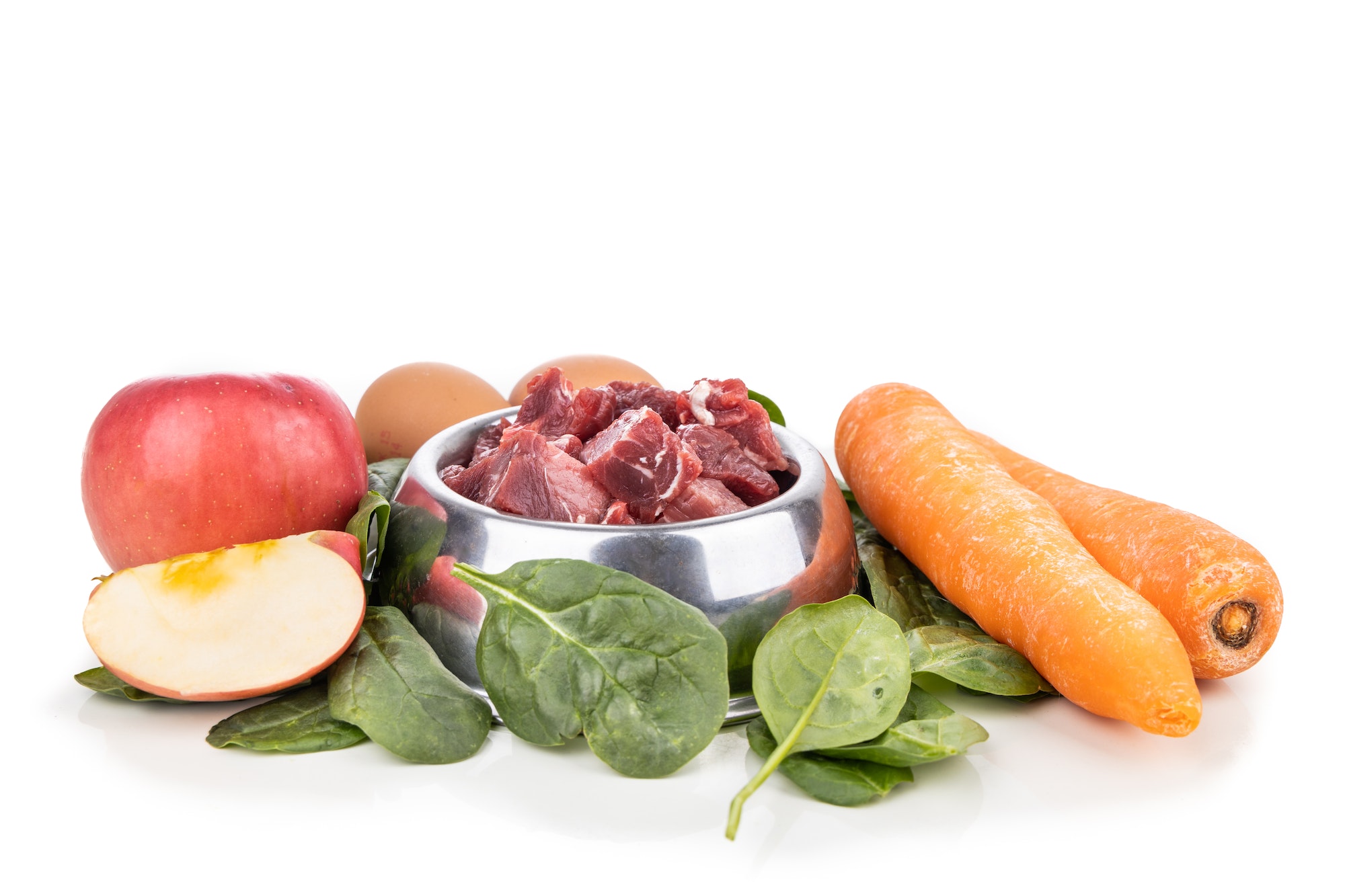
All dogs need a wide range of nutrients to live a healthy life.
These range from the macro-nutrients like protein and fat, which dogs need in large quantities, to micro-nutrients like vitamins and minerals, which are needed in much smaller amounts but are just as crucial to a dog’s health.
Protein
| Importance |
Protein is needed for healthy growth and maintenance of muscle, and it is also an important source of energy. |
| Source |
The best protein for dogs comes from meat and fish. |
Fat/Oil
| Importance |
Fats and oils are needed for energy as well as healthy skin and coats. Dogs cannot make essential fatty acids (omega 3 and 6) and must get these through their diet. These are needed for controlling inflammation, blood clotting, and brain development. |
| Source |
Fish oils, evening primrose oil, borage oil, animal fats, linseed oil and rosemary oil. |
Fibre
| Importance |
Fibre is important for maintaining intestinal health and can assist in treating both constipation and diarrhoea. |
| Source |
Grains, fruits and vegetables. |
Ash and minerals
| Importance |
Ash is the measure of the mineral content of food. When the food is incinerated, all the carbohydrate, fat and protein burn off, leaving only the minerals – the ash. |
| Source |
Meats, grains, vegetables and fruit. |
| Calcium |
Needed for bone and teeth formation, nerve transmission and muscle contractions. |
| Phosphorus |
Required for skeletal structure, DNA, RNA structure and energy metabolism. |
| Magnesium |
Needed to allow enzymes to function, hormone secretions and nerve cell membrane interface. |
| Potassium |
Required for healthy nerve function, enzyme reactions and energy metabolism. |
| Iron |
Integral part of haemoglobin and myoglobin, energy metabolism and enzymes in respiration. |
| Copper |
Connective tissue, iron metabolism, blood cell formation and to combat oxidation. |
| Zinc |
Enzyme function, protein and carbohydrate metabolism, skin function and wound healing. |
| Manganese |
Enzyme reactions, bone development, cartilage formation, neurological function and metabolism. |
| Selenium |
Important in the immune system and protection against oxidisation. |
Vitamins
| Importance |
Vitamins are essential to keep your dog healthy. They’re not stored very effectively, so your dog needs a good daily intake. |
| Vitamin A |
Needed for vision, growth, immune function, foetal development, healthy skin and coat. |
| B Vitamins |
Involved in metabolising, or deriving energy. |
| Vitamin C |
Vital for a robust immune system. |
| Vitamin D |
Important during skeletal development, phosphorus balance, necessary to absorb calcium in the intestine. |
| Vitamin E |
Protection against oxidative damage. |
| Vitamin K |
Involved in bone development and blood clotting. |